Historic Gateway Cities Hub
Welcome to Compton, the long-established Gateway Cities hub of southern Los Angeles County, known for its music legacy, transit access, and deep community roots.
Compton is a city in the Gateway Cities region of southern Los Angeles County, about 16 miles south of downtown Los Angeles. It is one of the county's oldest incorporated cities, chartered in May 1888 as the eighth municipality in Los Angeles County, and its nickname, the "Hub City," reflects a location near the geographic center of the county and its position at the junction of several major freeways and rail corridors. The city began as an agricultural settlement, with early residents growing grain and sugar beets and running dairy farms on the flat, fertile plain. Through the 20th century it urbanized into a dense, largely residential city of single-family homes, churches, and neighborhood commercial districts, and its demographics evolved into one of the region's most prominent Black communities before shifting toward a Latino majority. That layered history has made Compton a cultural touchstone. In the late 1980s, the pioneering rap group N.W.A. — Dr. Dre, Ice Cube, Eazy-E, MC Ren, and DJ Yella — formed here and put the city at the center of West Coast hip-hop, a legacy continued by later artists and filmmakers. Today Compton's economy spans retail, health care, logistics, and manufacturing, anchored by developments such as the Gateway Towne Center on Alameda Boulevard and the city's freeway-adjacent industrial corridors. Compton College, a public community college founded in 1927, is a civic and educational anchor, and the city's parks, recreation centers, and equestrian heritage in Richland Farms give it a distinctive local character. Compton suits people who want urban Los Angeles living with strong transit and freeway access, established neighborhoods, and a community with a strong cultural identity. Its location, affordability relative to nearby cities, and rail links to downtown and Long Beach make it a practical and historically rooted place to live.
Compton is in Los Angeles County, California, in the Gateway Cities region about 16 miles south of downtown Los Angeles. It is one of the oldest cities in the county, incorporated in May 1888 as the eighth municipality in Los Angeles County.
Compton is widely known as a birthplace of West Coast hip-hop: the pioneering group N.W.A. formed there in 1987, and the city has produced generations of influential musicians and athletes. It is also nicknamed the 'Hub City' for its central location within Los Angeles County and its freeway and rail connectivity.
Compton is about 16 miles south of downtown Los Angeles. The Metro A Line light rail provides direct service from Compton station to downtown LA and Long Beach, and the I-710, I-105, and SR-91 freeways connect the city to the ports, LAX, and the broader region.
Compton is served by the Compton Unified School District for K-12 education. Compton College, a public community college established in 1927, provides higher education in the city, and California State University, Dominguez Hills is nearby in neighboring Carson.
Richland Farms is a historic neighborhood in Compton known for its large, equestrian-zoned lots, where residents keep horses and livestock and maintain a semi-rural lifestyle within the city. It is one of the most distinctive neighborhoods in urban Los Angeles County.
City Guide
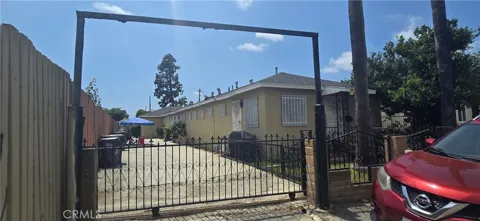
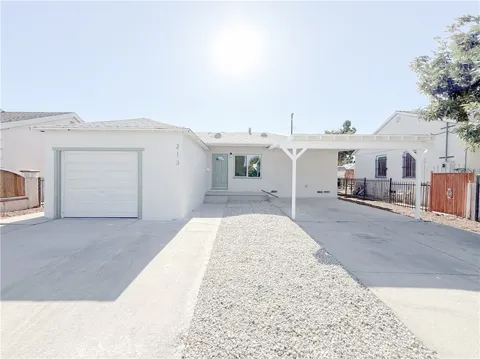
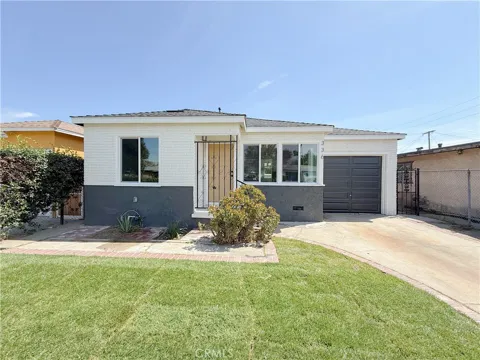
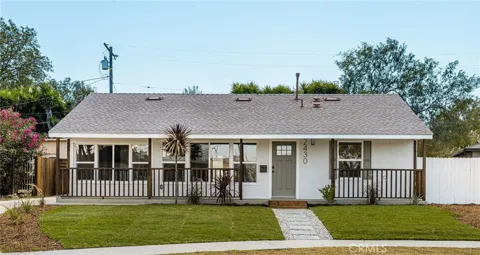
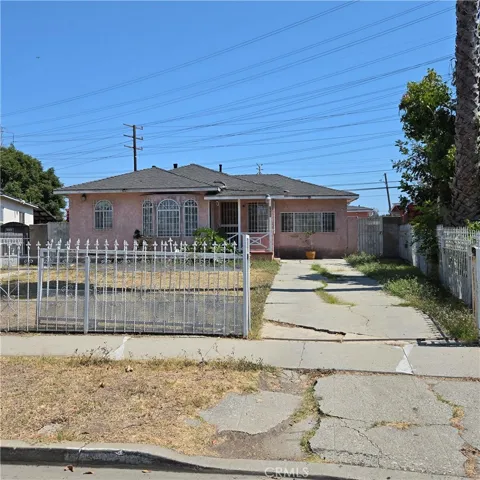
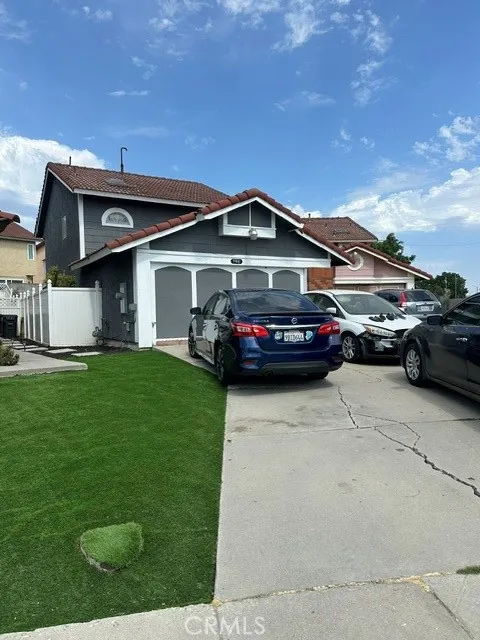
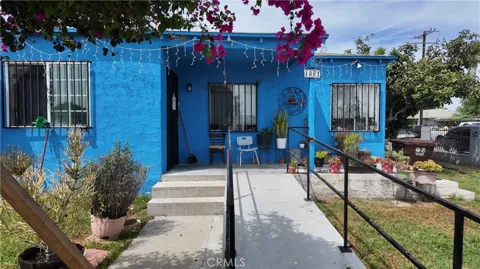
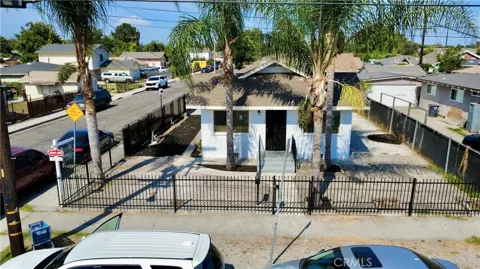
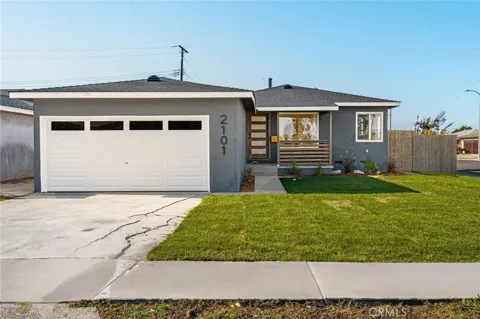
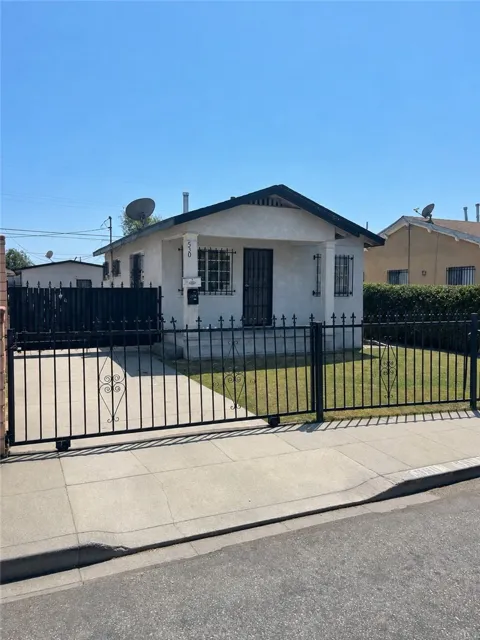
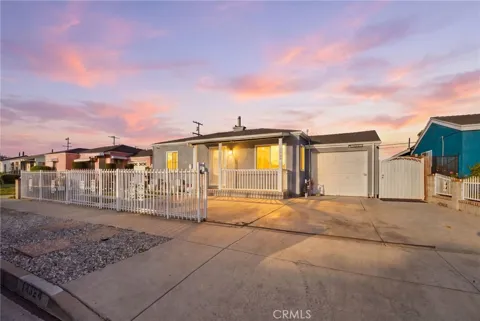
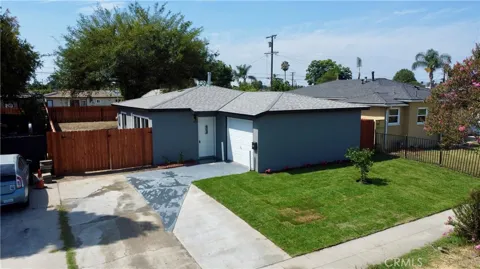
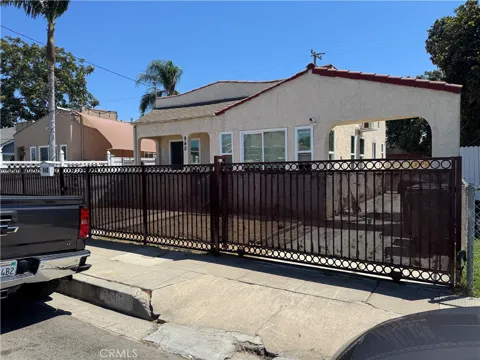
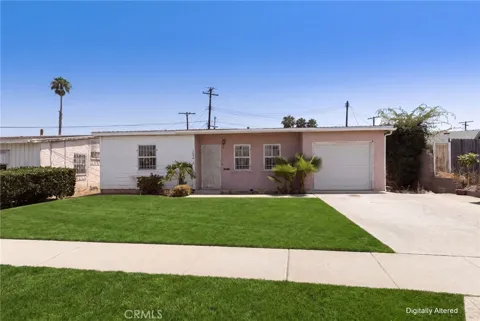
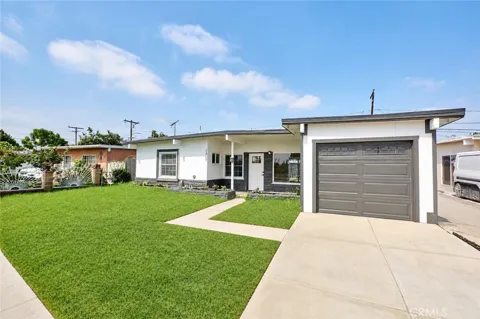
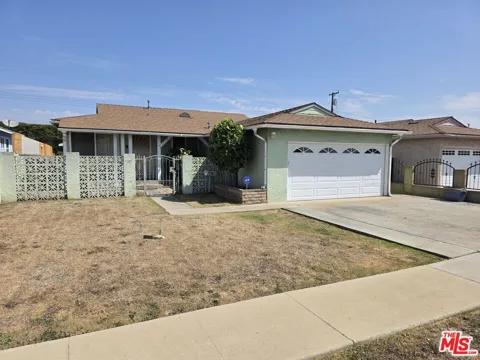
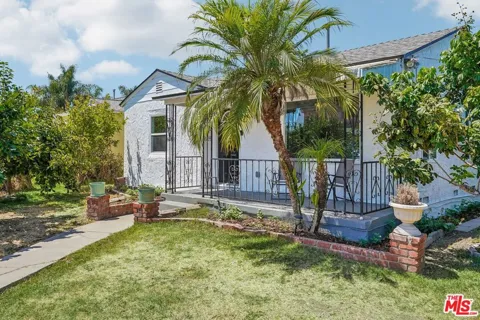
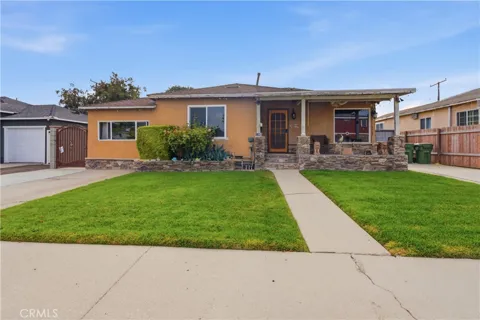
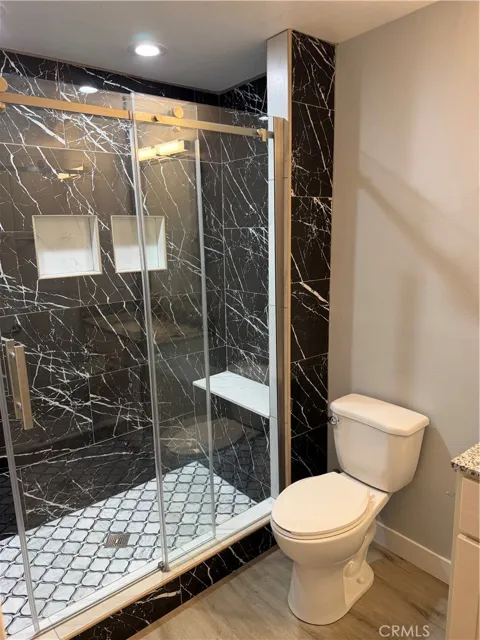
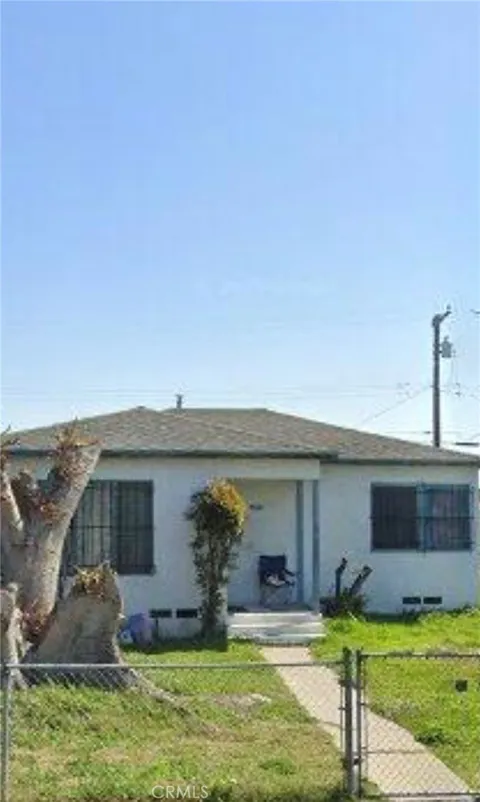
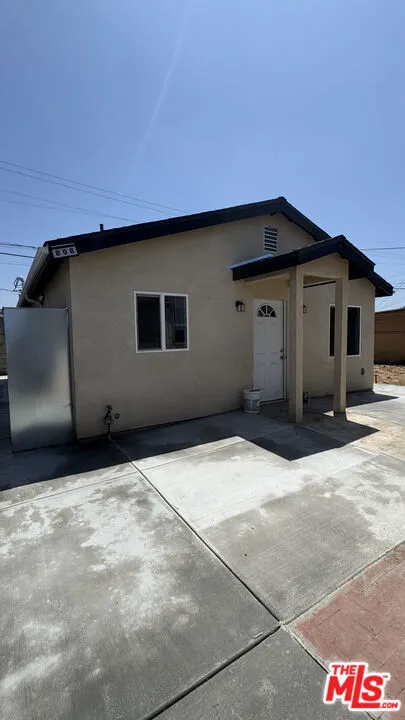
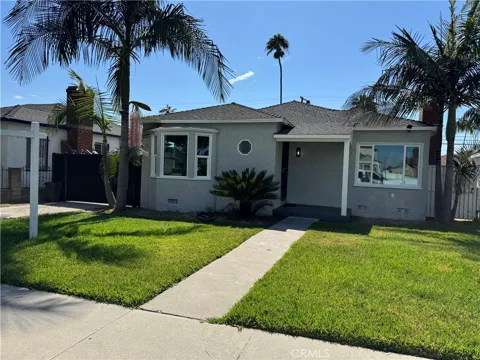
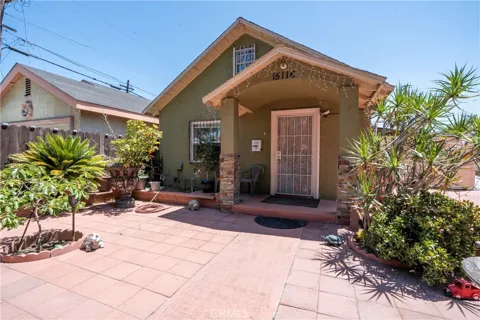
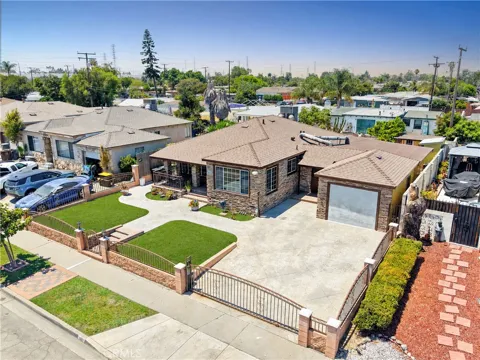
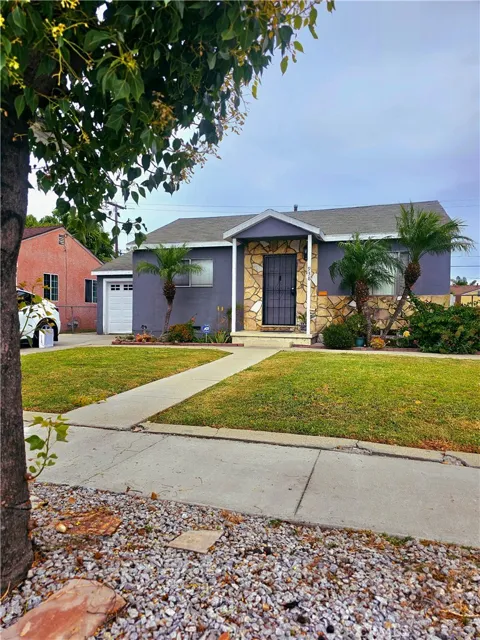
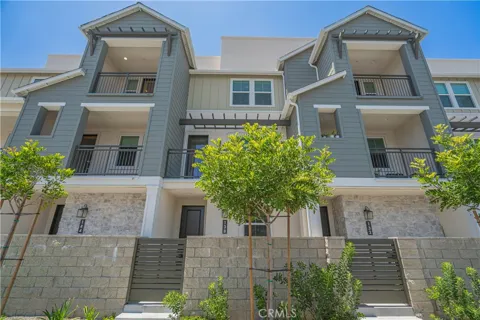
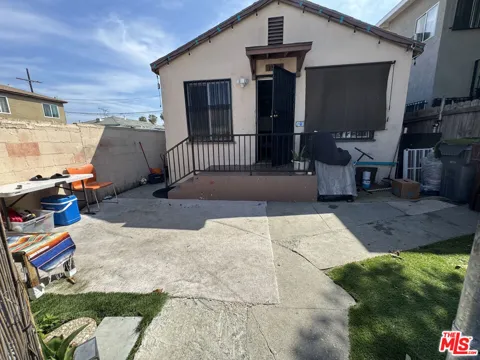
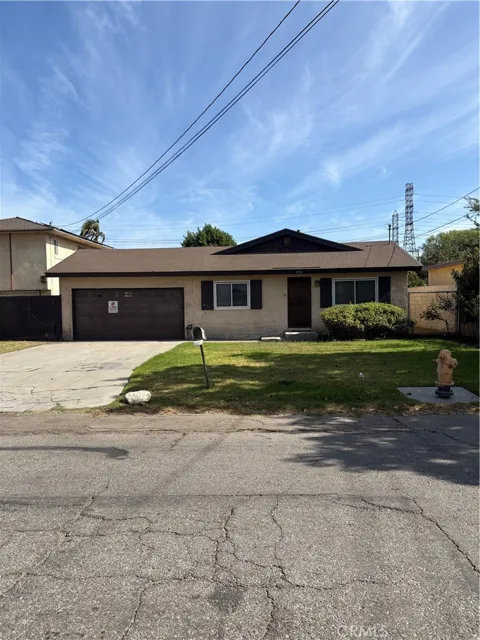
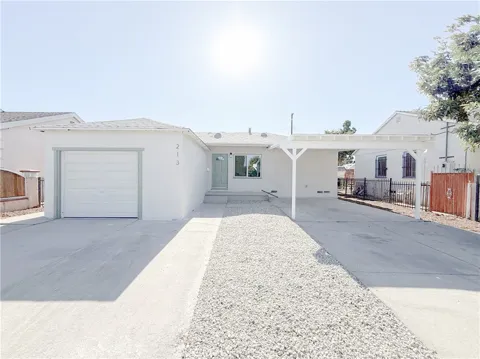
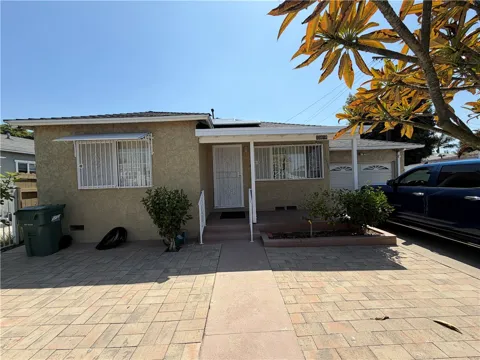
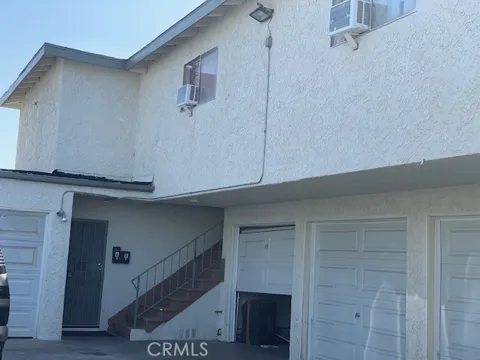
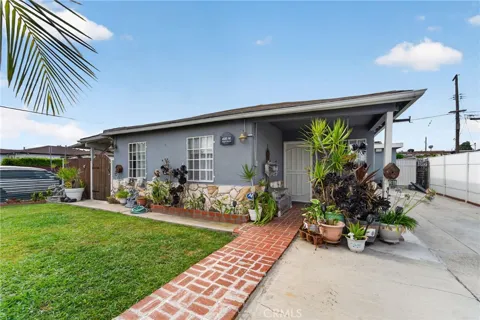
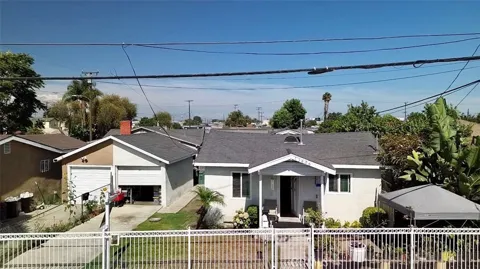
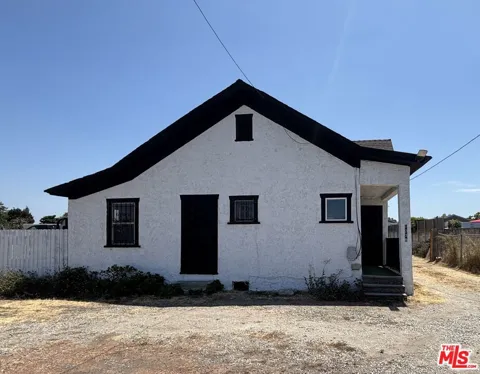
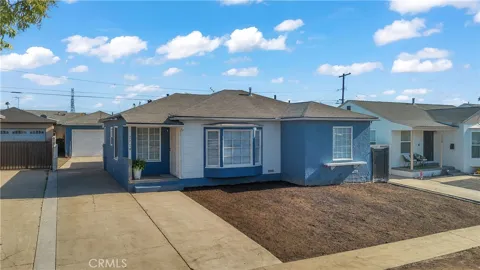
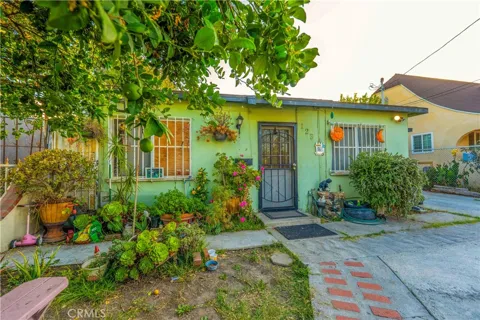
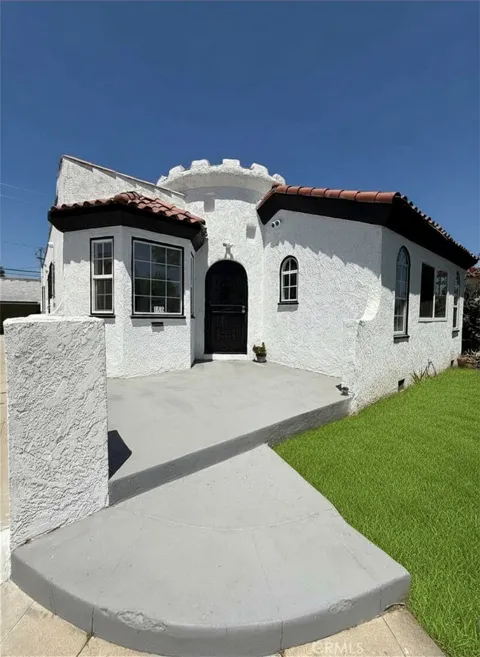
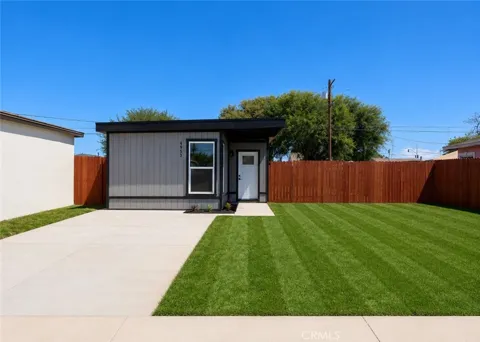
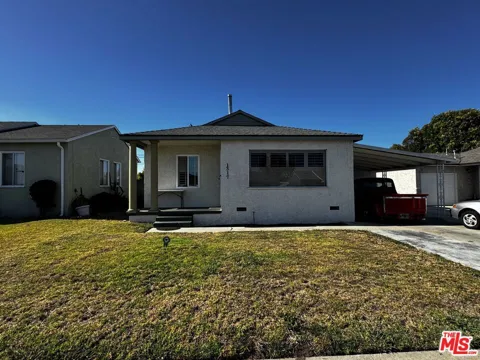
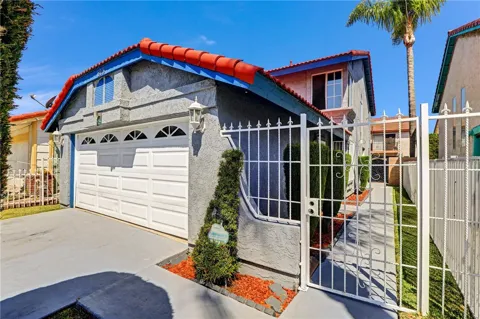
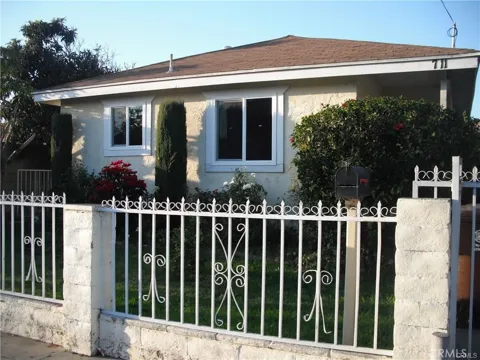
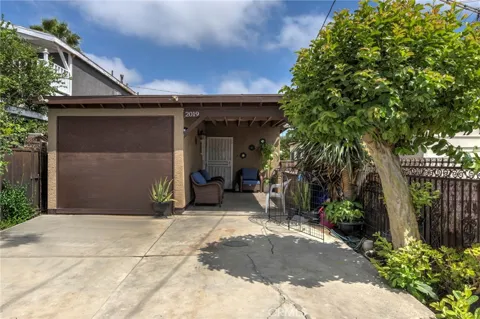
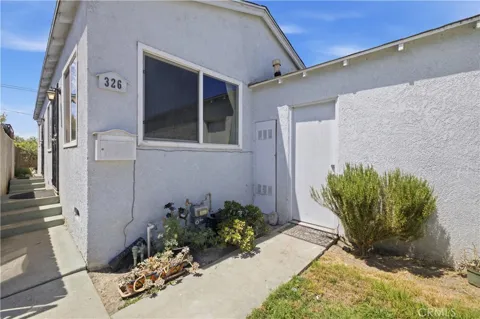
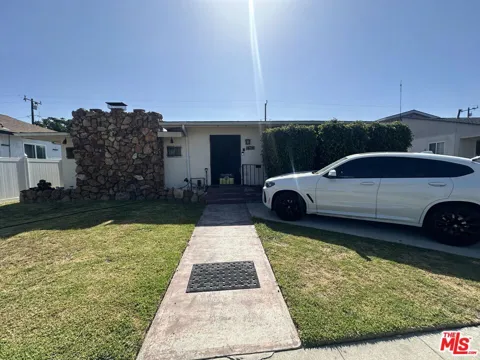
Compton's housing stock is dominated by single-family homes built largely through the early and mid-20th century, including California bungalows, Spanish-style and traditional houses, and modest ranch homes on tree-lined streets. Many lots are generously sized for an urban Los Angeles suburb, and Richland Farms stands out for its rural, equestrian lots where residents keep horses and livestock within the city. Newer construction and infill townhomes have added to the mix in recent decades. The city's older, well-built housing and its comparatively lower prices than surrounding communities continue to draw buyers and first-time homeowners across the region.
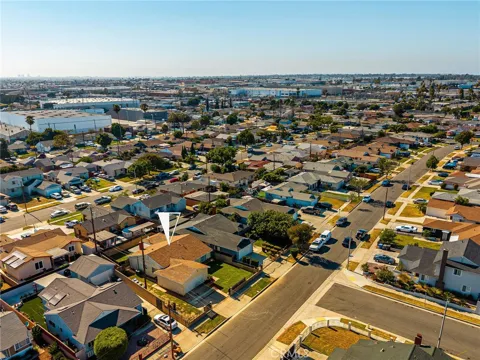
Compton's neighborhoods are largely flat, grid-patterned residential districts of single-family homes. Richland Farms is the best-known and most distinctive: a historic neighborhood of large lots and equestrian zoning where residents board horses, grow gardens, and maintain a semi-rural lifestyle in the heart of the city. Elsewhere, neighborhoods cluster around local parks, schools, and commercial corridors such as Compton Boulevard, Long Beach Boulevard, and Rosecrans Avenue. The city's eastern and western edges are shaped by the I-710 and I-105 freeways and the Metro A Line, placing most homes within reach of transit and employment centers across the region.
Compton's identity is rooted in community, faith, and a globally influential music culture. The city is synonymous with West Coast hip-hop, from the formation of N.W.A. in 1987 to the generations of rappers, producers, and athletes who followed, and that heritage is celebrated in local culture and public art. Churches, neighborhood associations, youth sports, and recreation centers anchor daily life, while the equestrian tradition of Richland Farms — with residents riding horses through city streets — offers a distinctive contrast to the surrounding urban sprawl. Compton College and the city's parks host events and programs that keep civic life active year-round.
Public education in Compton is provided by the Compton Unified School District, which operates elementary, middle, and high schools across the city. Compton College, a public community college founded in 1927, serves as the city's higher-education anchor, offering associate degrees and workforce training from its campus in the city center. Nearby California State University, Dominguez Hills and other regional colleges expand options for residents. The district and college have invested in facilities and programs in recent years, and school-based athletics and community programs remain central to local life.
Compton's "Hub City" nickname reflects its central location and transportation network. The Metro A Line light rail runs through the city with stations at Compton and Artesia, providing direct service to downtown Los Angeles and Long Beach, and the nearby Willowbrook/Rosa Parks station connects to the C Line. The I-710, I-105, and SR-91 freeways cross or border the city, linking it to the ports, LAX, and the wider region, with the I-110 nearby. Local bus lines radiate from the MLK Transit Center. For commuters and logistics businesses alike, Compton sits at one of the most connected points in southern Los Angeles County.
Compton's parks and recreation facilities give the city ample community green space. Wilson Park, near the civic center, offers a community center, gymnasium, lighted tennis courts, baseball diamond, playground, and picnic areas. Compton Creek Natural Park preserves a stretch of Compton Creek with native habitat and walking paths, and neighborhood parks such as Roy Campanella Park and Spane Park add playgrounds and sports fields. The Richland Farms area sustains a working equestrian culture, with trails and stables woven into the neighborhood. Recreation centers, pools, and youth sports leagues round out the city's active, family-oriented offerings.
MARKET SNAPSHOT
How homes have been selling here over the last 90 days.
Market data reflects closed sales over the last 90 days and is provided for informational purposes.
BROWSE BY ZIP
Browse listings by postal code in this area.