Entertainment Capital of the World
Welcome to Los Angeles, the sprawling Southern California metropolis where the Pacific coastline, the entertainment industry, and hundreds of distinct neighborhoods come together.
Los Angeles, the seat of Los Angeles County, is the largest city in California and the second-most populous in the United States, with roughly 3.9 million residents. It occupies a coastal basin in Southern California framed by the Pacific Ocean to the west and the Santa Monica and San Gabriel mountains to the north and east. Los Angeles County, the most populous county in the country with about 9.7 million residents, contains 88 incorporated cities, but the city of Los Angeles itself remains the region's gravitational center. The city grew from a Spanish and Mexican pueblo into an American metropolis on the strength of successive booms—railroads, oil, citrus and agriculture, the port, aviation, and above all the motion-picture industry, which made Hollywood a global brand. Its economy today is unusually diversified: entertainment, international trade through the Port of Los Angeles and the neighboring Port of Long Beach, aerospace, technology, fashion, manufacturing, and tourism. The Port of Los Angeles is the busiest container port in the Western Hemisphere. Los Angeles is famously decentralized, a collection of hundreds of distinct neighborhoods rather than a single dense core, strung together by freeways and an expanding rail network. Downtown Los Angeles has re-emerged as a residential and cultural center with historic theaters, museums, and new housing, even as Hollywood, the Westside, and the coastal neighborhoods each carry their own gravitational pull. The University of California, Los Angeles and the University of Southern California anchor a large higher-education and research sector. The city's residents include creative and entertainment professionals, workers in aerospace and logistics, students at major universities, and communities drawn from across the globe, giving Los Angeles one of the most diverse populations of any major American metropolis. A mild Mediterranean climate, proximity to beaches and mountains, and a deep cultural calendar keep the city's appeal broad, from hillside bungalow districts to coastal communities and the residential expanse of the San Fernando Valley.
Los Angeles is the seat of Los Angeles County, the most populous county in the United States with roughly 9.7 million residents. The county encompasses 88 incorporated cities, including the city of Los Angeles itself, which is the largest city in California and the second-most populous in the country.
Los Angeles is known as the entertainment capital of the world, anchored by Hollywood and the film and television industry, and as a Pacific gateway with the Port of Los Angeles, the busiest container port in the Western Hemisphere. The city is also defined by its beaches, mountains, diverse neighborhoods, and landmarks such as Griffith Observatory, the Hollywood Bowl, and the Hollywood Sign.
The Los Angeles Unified School District serves most of the city and is the second-largest school district in the nation, with more than 600,000 students across over 1,000 campuses and a wide range of magnet and dual-language programs. Smaller districts serve nearby cities, and UCLA and USC anchor higher education.
Most Angelenos drive on a freeway network built around Interstate 5, Interstate 10, Interstate 405, and US 101. Metro provides subway and light-rail lines and buses, including rail connections to the LAX/Metro Transit Center, while Metrolink runs commuter rail into surrounding counties. LAX is the region's primary airport.
Popular neighborhoods include Hollywood, Silver Lake, Echo Park, Los Feliz, and Koreatown near the city's center; Westwood and the Westside for established single-family communities; Venice and the coastal neighborhoods for beach living; and Highland Park, Eagle Rock, and Atwater Village for a creative northeast Los Angeles character. The San Fernando Valley offers a broad suburban base.
Griffith Park offers miles of hiking along with Griffith Observatory and the Greek Theatre, and trails in Runyon Canyon and the Santa Monica Mountains add more options. The coastline from Malibu through Santa Monica and Venice provides beaches, surfing, and boardwalk culture, while the San Gabriel Mountains rise to the north and the Hollywood Bowl hosts outdoor concerts.
City Guide
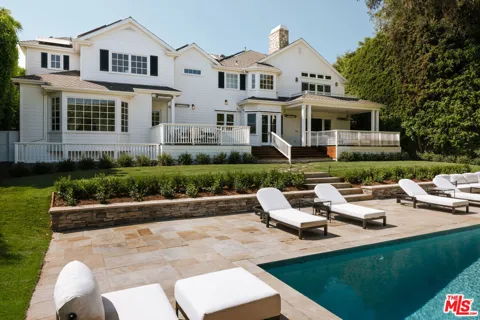
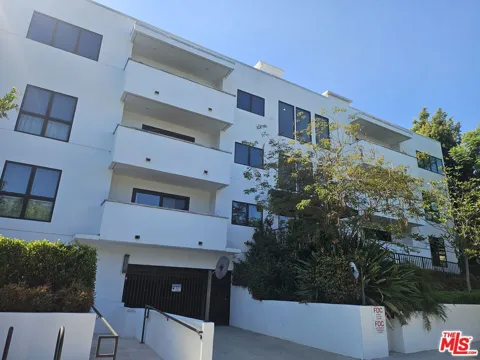
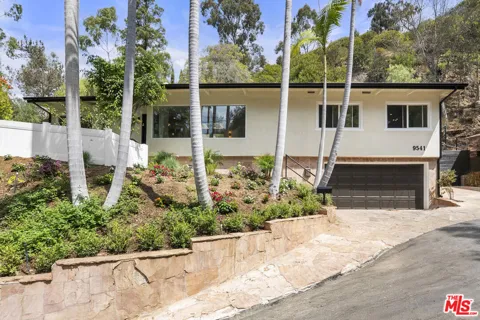
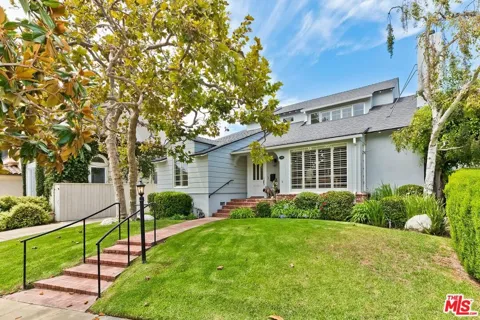
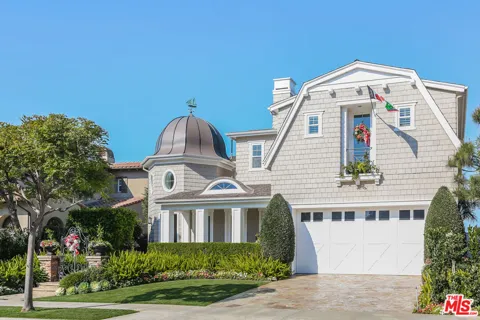
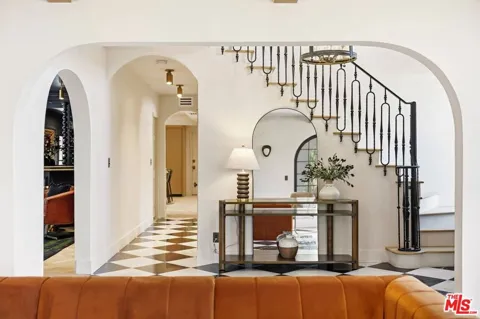
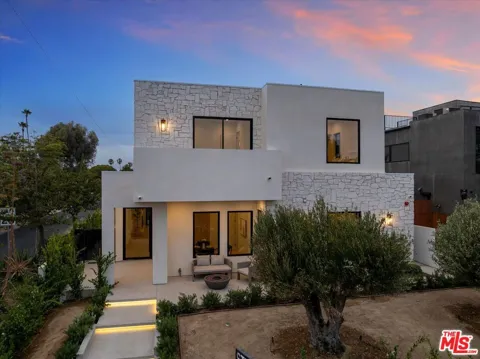
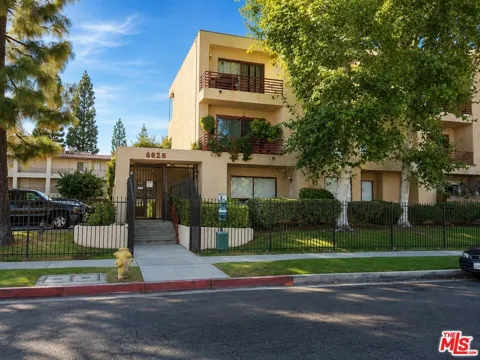
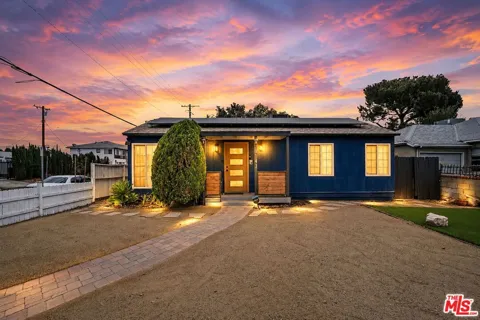
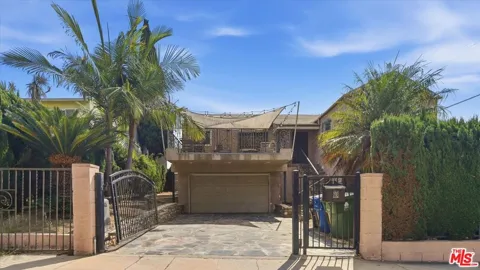
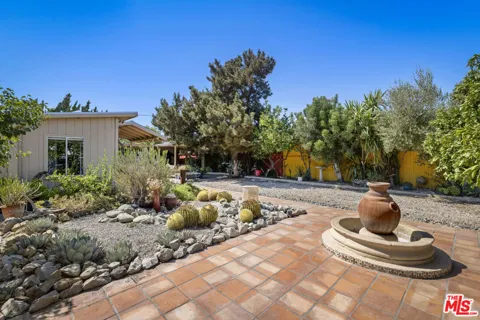
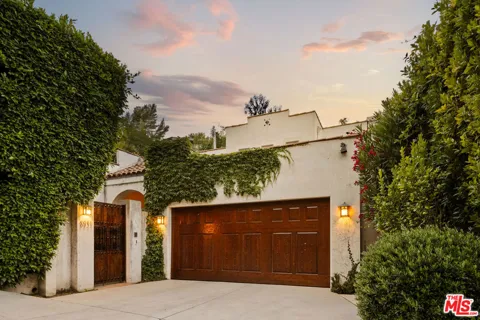
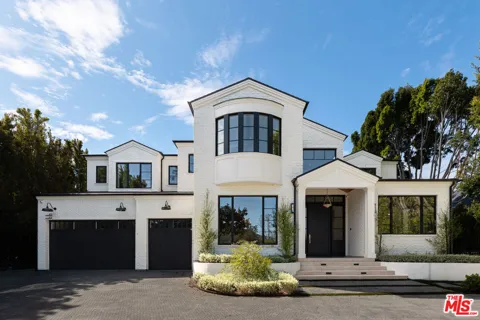
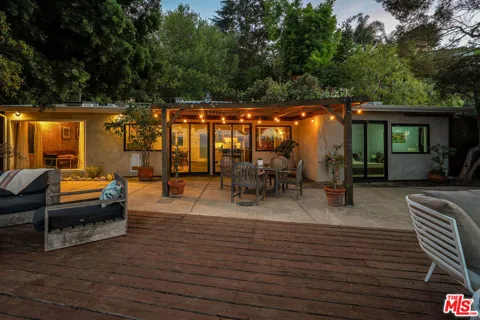
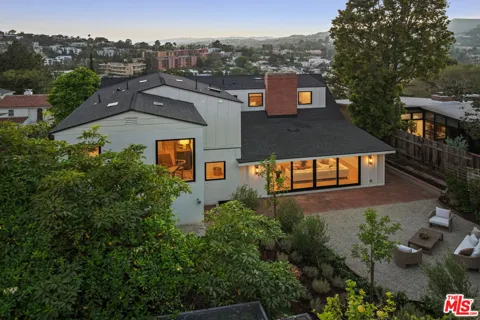
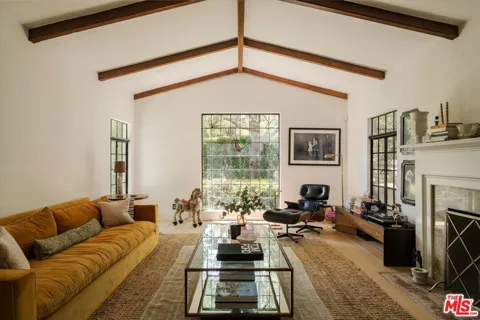
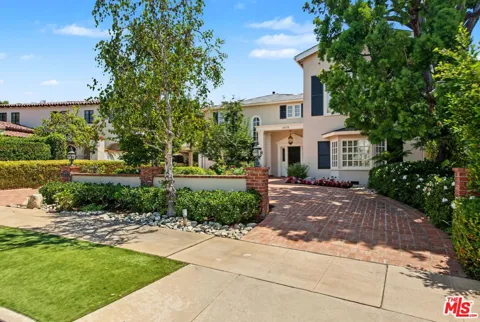
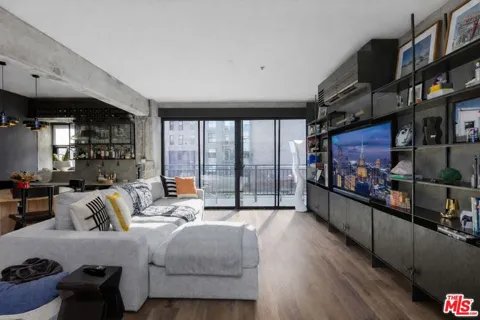
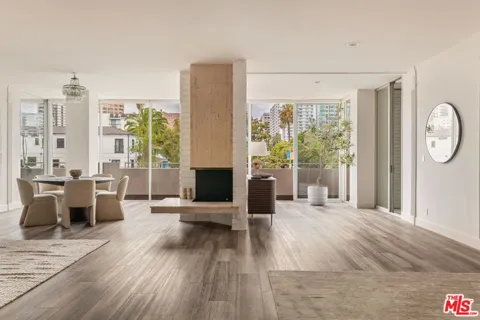
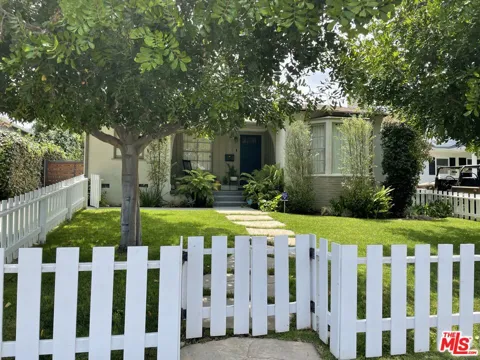
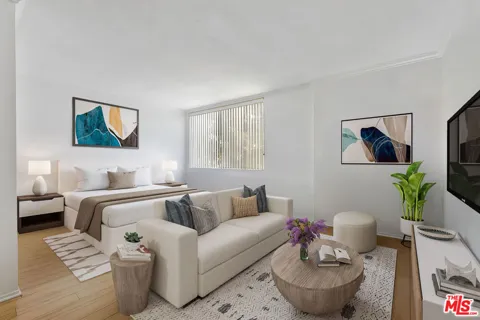
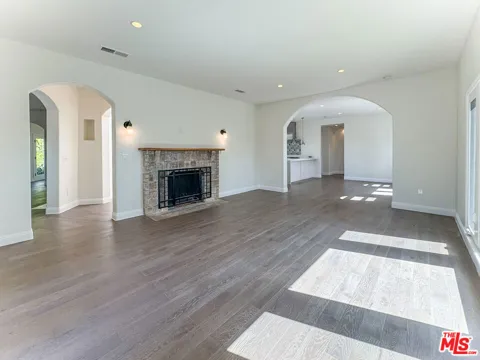
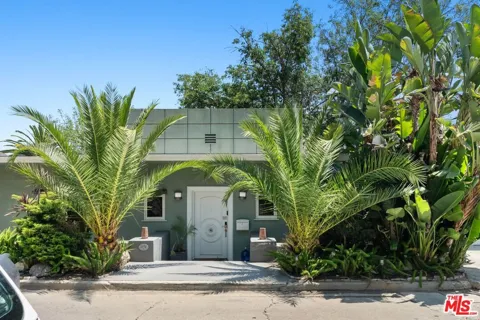
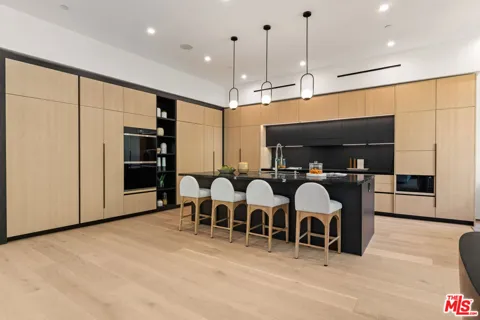
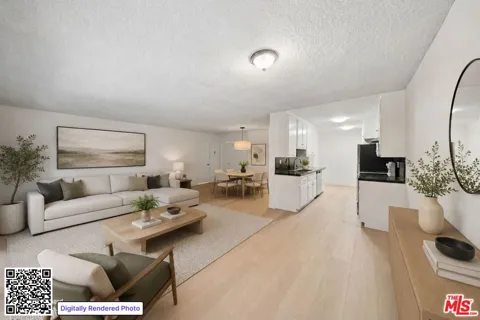
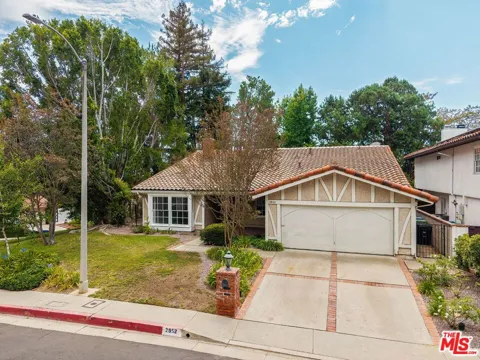
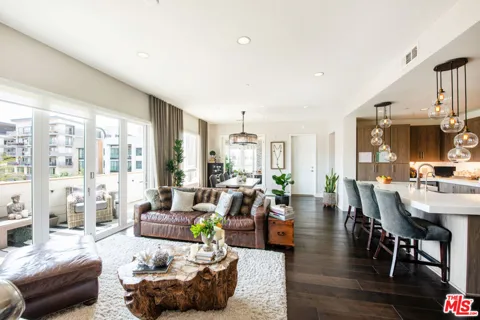
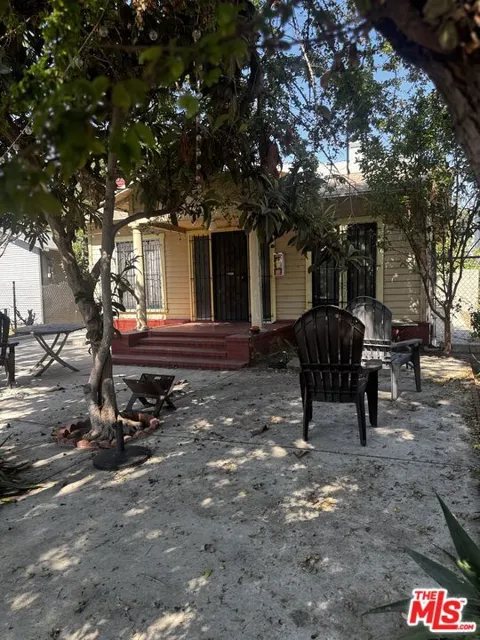
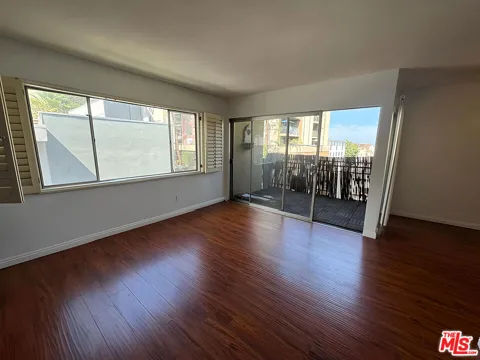
Los Angeles housing stock reflects more than a century of architectural history. Craftsman bungalows, Spanish Colonial Revival homes, and early-twentieth-century Victorians, Shingle Style houses, and Folk Victorians remain defining styles in older neighborhoods, while mid-century and contemporary construction fills the hillsides and newer subdivisions. Historic districts such as Jefferson Park and Angelino Heights preserve early residential fabric, and the city's density varies dramatically—from the high-rise and mid-rise apartments of downtown and Koreatown, one of the densest neighborhoods in the city, to the spacious single-family lots of the Westside and the San Fernando Valley. Housing types range from compact bungalows and duplexes to hillside estates and vertical condominiums, so a home search is as much about neighborhood character, commute, and school zone as it is about style.
Los Angeles is a mosaic of neighborhoods, each with its own identity. Hollywood remains synonymous with the entertainment industry and landmarks such as the Hollywood Sign and Walk of Fame. East of Hollywood, Silver Lake and Echo Park are hillside districts of reservoir views, mid-century and bungalow homes, and a dense independent food and nightlife scene, while Los Feliz adjoins Griffith Park. Koreatown is among the city's densest and most transit-rich neighborhoods, centered on Wilshire Boulevard. Westwood surrounds the UCLA campus, and the Westside—Brentwood, Bel Air, and Pacific Palisades—holds larger hillside and estate properties. Venice brings a beachfront and canal-district character, while Highland Park, Eagle Rock, and Atwater Village form an arts-oriented northeast cluster, and Boyle Heights anchors the Eastside's historic Latino community. Across the mountains, the San Fernando Valley provides the city's broad suburban residential base.
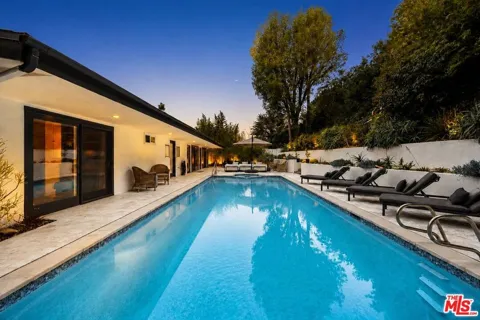
Los Angeles' lifestyle is built around the entertainment industry, the outdoors, and a global food culture. The Hollywood Sign, the Walk of Fame, and the studios anchor the city's identity as the entertainment capital, while Griffith Observatory and the Hollywood Bowl—one of the world's best-known outdoor amphitheaters—add cultural landmarks. Major art museums, live music, and theater cluster downtown and across the Westside. Dining spans nearly every world cuisine, from Koreatown's barbecue halls to Eastside taco stands and coastal seafood spots. Professional teams, including the Dodgers and Lakers, and the region's many festivals keep the entertainment calendar full. The appeal is equally defined by what sits outside: beaches, mountains, and near-year-round outdoor living.
Public education in Los Angeles is anchored by the Los Angeles Unified School District, the second-largest school district in the nation, serving more than 600,000 students across more than 1,000 campuses. LAUSD offers neighborhood schools alongside magnet, dual-language, and specialized programs, giving families a wide range of choices within the district. Numerous smaller districts serve surrounding cities such as Beverly Hills, Santa Monica, and Culver City. Higher education is a major regional strength: the University of California, Los Angeles and the University of Southern California are among the nation's leading research universities, joined by a large network of community colleges and Cal State campuses. For relocating families, school boundaries and magnet application processes are central to the home search.
Los Angeles is defined by its freeway network—Interstate 5, Interstate 10, Interstate 405, and US 101 among the major corridors—and the car remains the default for most trips. Metro operates one of the nation's largest transit systems, with subway and light-rail lines, including connections from the C and K lines to the LAX/Metro Transit Center, plus an extensive bus network, while Metrolink runs seven commuter-rail lines into surrounding counties. Los Angeles International Airport (LAX) is the region's primary gateway, complemented by several other commercial airports. Traffic is a defining feature of daily life, and commute time frequently shapes where residents choose to live, making proximity to rail stations and freeway access a key home-buying consideration.
Outdoor recreation is central to life in Los Angeles. Griffith Park, one of the nation's largest municipal parks, anchors the east side with hiking trails, the Griffith Observatory, and the Greek Theatre, while Runyon Canyon and the trails of the Santa Monica Mountains draw hikers from across the city. The coastline—from Malibu's 27 miles along the Pacific Coast Highway through Santa Monica and Venice—offers beaches, surfing, and the region's iconic boardwalk culture. The San Gabriel Mountains rise to the north for hiking and mountain recreation within a short drive. The Hollywood Bowl and other outdoor amphitheaters pair live performance with the mild climate, and the county operates one of the largest municipal golf systems in the country.
MARKET SNAPSHOT
How homes have been selling here over the last 90 days.
Market data reflects closed sales over the last 90 days and is provided for informational purposes.
BROWSE BY ZIP
Browse listings by postal code in this area.