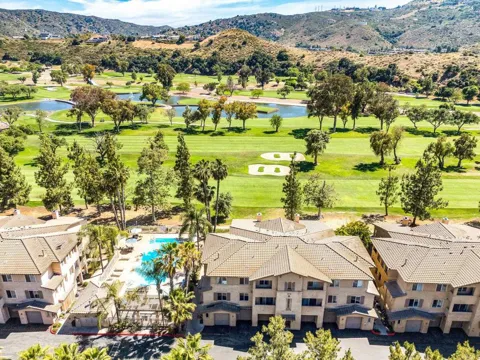
East County Hub of San Diego
Welcome to El Cajon, the "Big Box Valley" city at the heart of San Diego's East County, 17 miles east of downtown and served by three Trolley lines.
El Cajon sits in San Diego County, California, about 17 miles east of downtown San Diego, in the broad, foothill-enclosed valley that gives the city its name — El Cajón, Spanish for "the box." It is one of the largest cities in the county and functions as the commercial, civic, and transit hub of the East County region. Its population is about 100,000. The city's roots are agricultural. The valley's Spanish-era past gave way to ranching and then to a farming economy built on citrus, avocados, and poultry, before San Diego's post-war growth turned El Cajon into a major suburban center. It incorporated in 1912 and became a charter city in 2012, reflecting its scale and local autonomy. El Cajon's role as East County's anchor is visible in its downtown and its institutions. Downtown El Cajon clusters restaurants, shops, and civic spaces that host long-running community events. The Grossmont Union High School District, based in the city, serves about 16,500 students across eastern San Diego County, while Grossmont College adds a community-college presence. The city's economy is a mix of retail, services, healthcare, and education. Transportation sets El Cajon apart among San Diego suburbs. The El Cajon Transit Center is a major hub on the San Diego Trolley, served by the Green, Orange, and Copper lines, connecting the city to downtown San Diego, Mission Valley, and La Mesa. Interstate 8 runs through the city and continues east toward the mountains and deserts. El Cajon suits households seeking a diverse, well-connected East County community with rail access, established neighborhoods, and a more attainable cost of living than coastal San Diego.


El Cajon is located in San Diego County, California, about 17 miles east of downtown San Diego. It is one of the largest cities in the county and serves as the commercial and cultural hub of the East County region.
El Cajon comes from the Spanish El Cajón, meaning "the box" or "the drawer." The name describes the way the valley where the city sits is enclosed by surrounding foothills, and it was recorded as early as 1821 for the area.
Secondary students in El Cajon attend the Grossmont Union High School District, which is based in the city and serves about 16,500 students across eastern San Diego County. The district operates many high schools, including El Cajon Valley, Granite Hills, and Grossmont High School.
El Cajon is about 17 miles east of downtown San Diego. Interstate 8 runs through the city, and the San Diego Trolley's Green, Orange, and Copper lines serve the El Cajon Transit Center, providing direct rail links to downtown and across the region.
Yes. The El Cajon Transit Center is a major San Diego Trolley station served by the Green, Orange, and Copper lines. It connects El Cajon to downtown San Diego, Mission Valley, La Mesa, and other parts of the metropolitan area.
City Guide
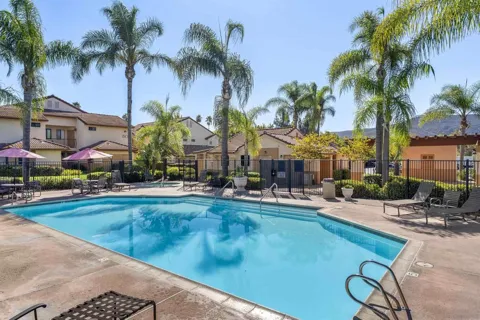
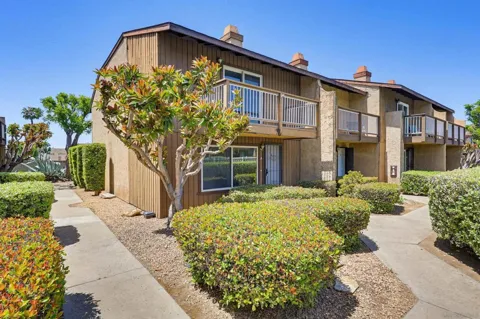
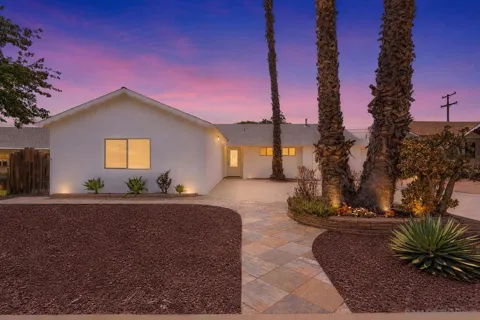
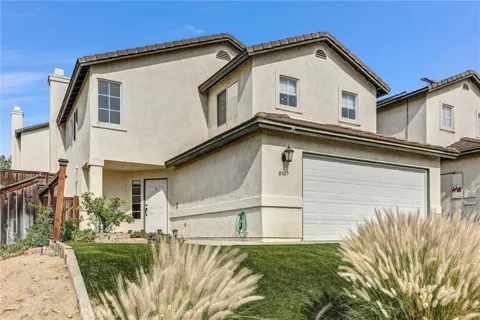
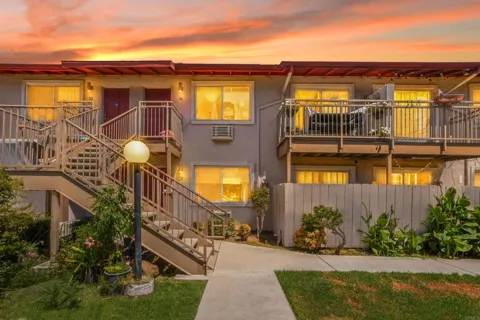
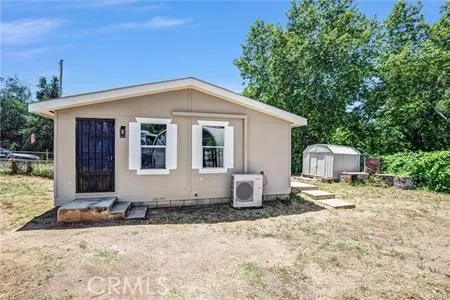
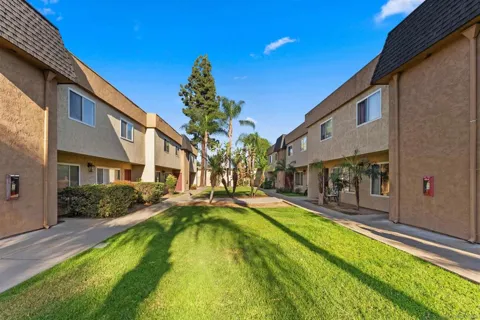
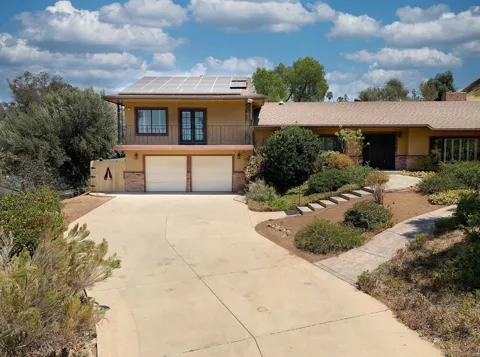
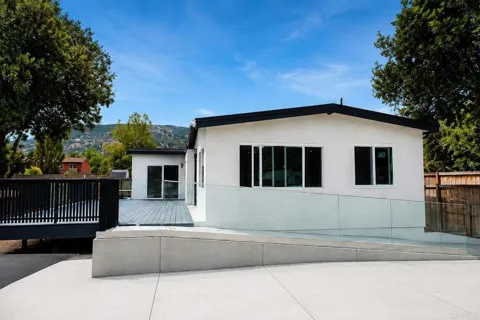
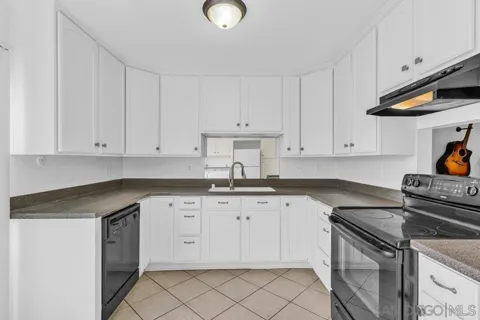
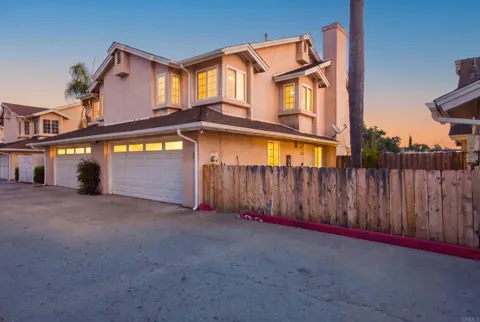
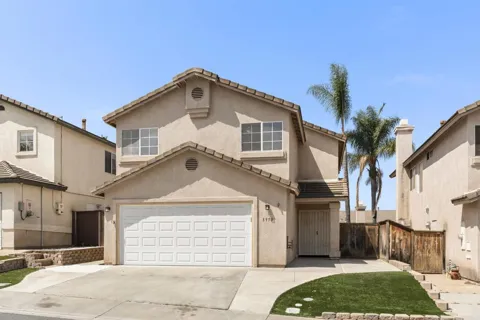
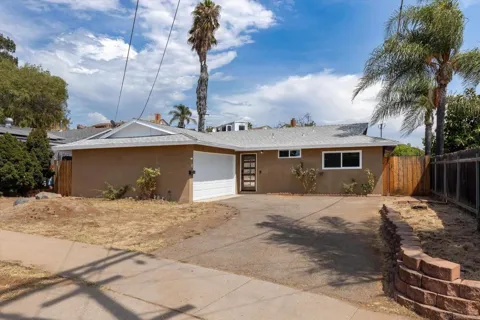
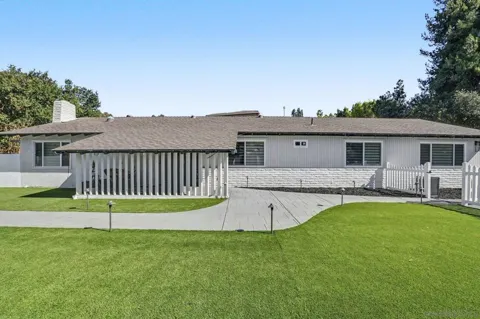
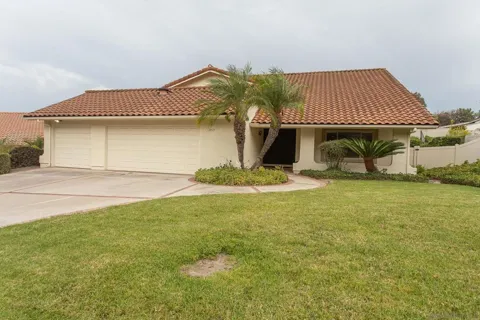
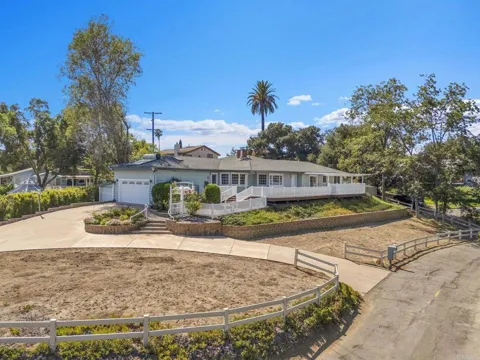
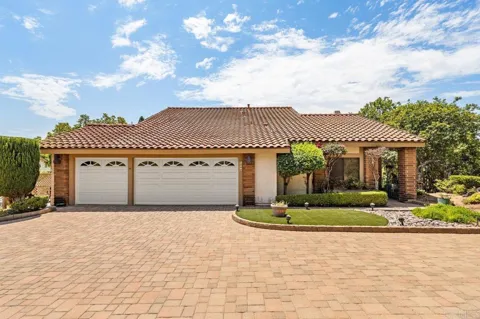
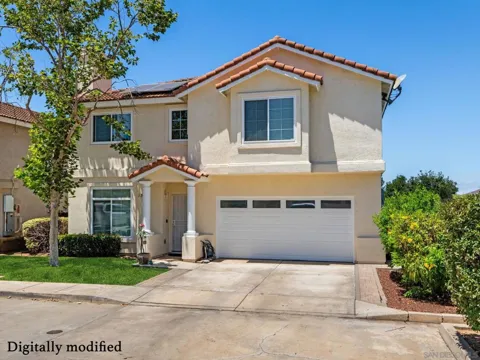
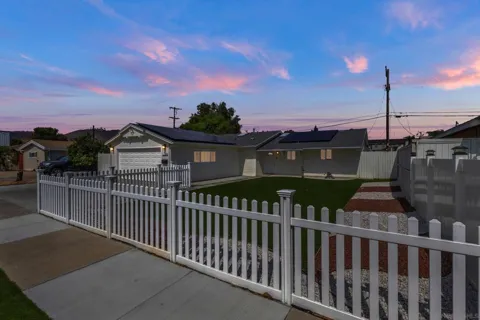
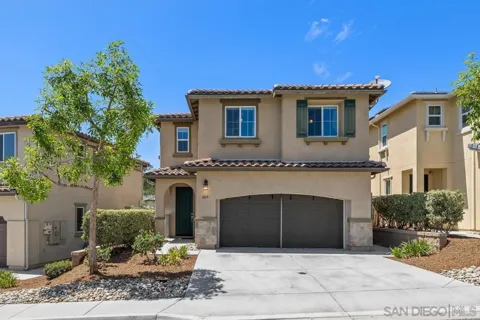
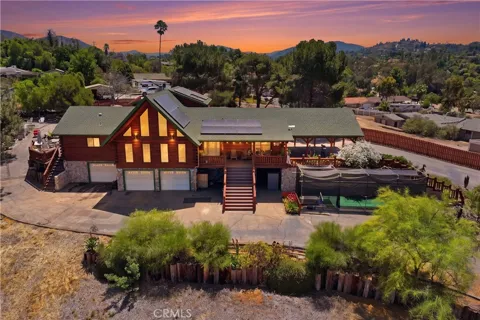
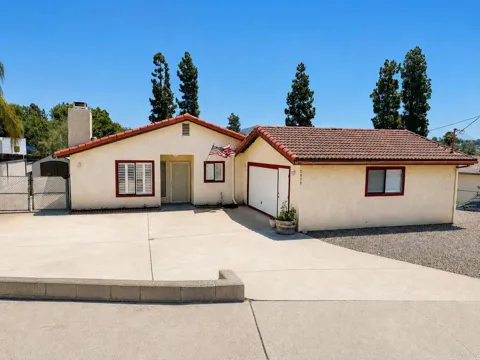
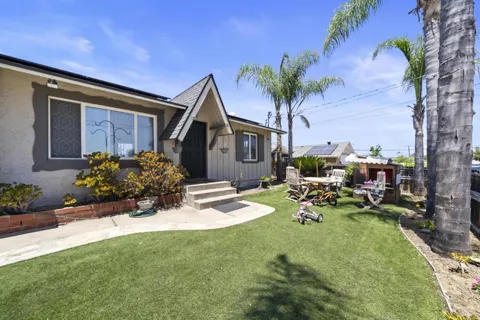
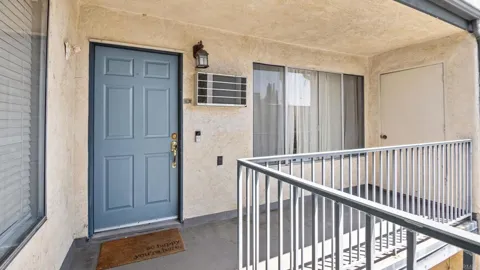
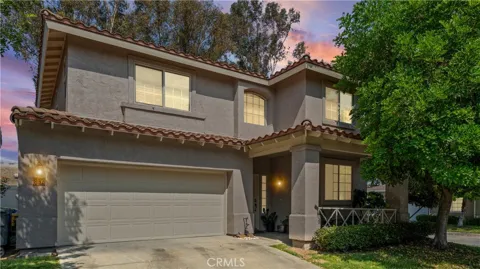
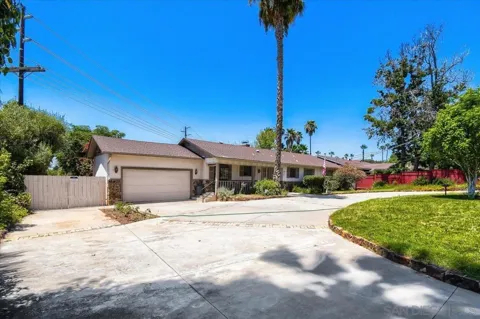
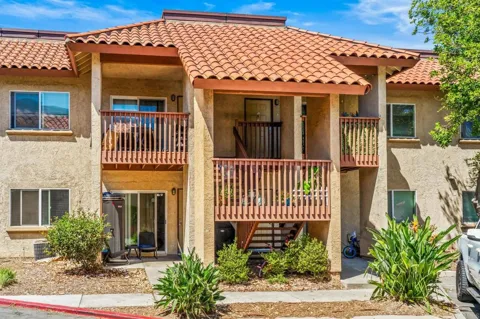
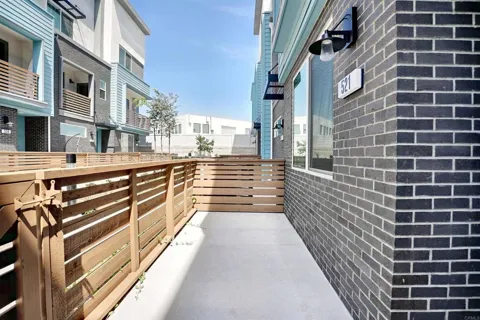
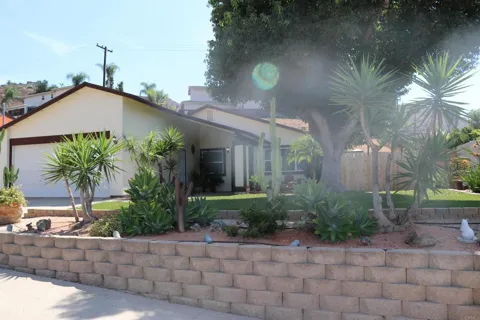
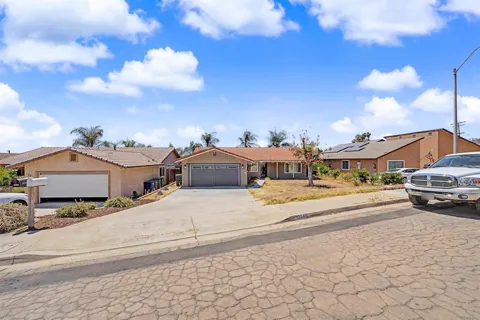
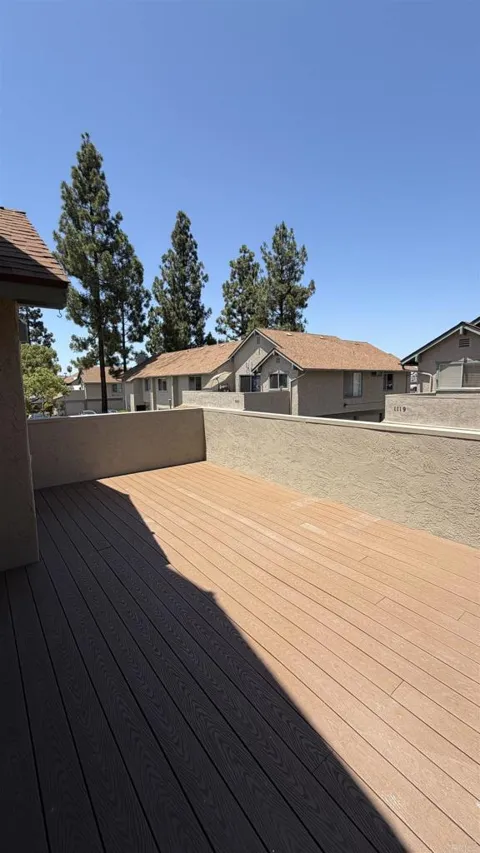
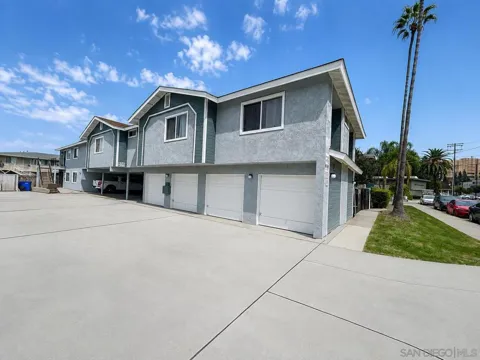
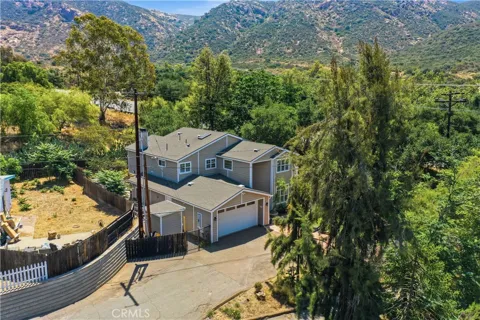
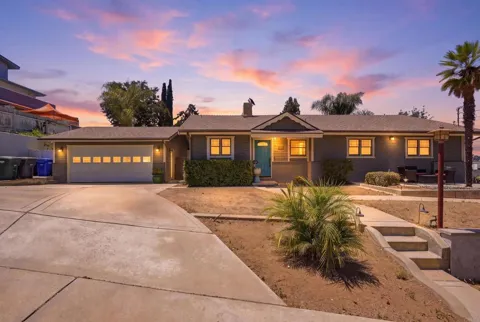
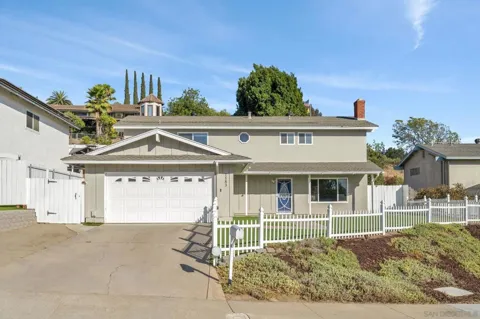
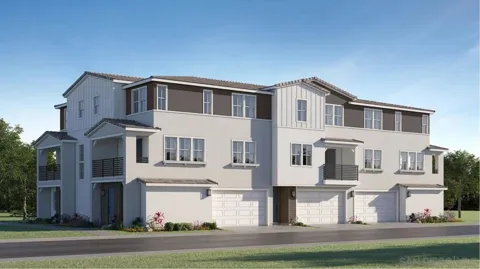
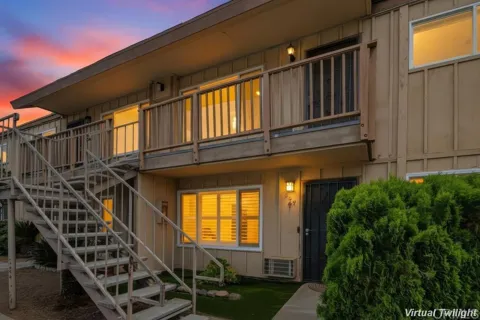
El Cajon's housing stock is among the most varied and comparatively affordable in San Diego County. The city holds extensive mid-century and post-war single-family neighborhoods, many with ranch-style homes on the valley floor and along its foothill slopes, alongside a substantial supply of apartments, condominiums, and townhomes concentrated near the transit center and major corridors. The mix reflects El Cajon's long history as a working- and middle-class East County community, with older, established streets beside newer infill development. The range of attached and detached options, combined with rail access, makes the city a practical choice for first-time buyers, renters, and households seeking value within the San Diego region.
El Cajon's neighborhoods spread across a broad, foothill-ringed valley. Downtown El Cajon serves as the city's commercial and cultural center, with its blocks of storefronts, civic buildings, and event spaces forming the heart of East County. Around it, established single-family neighborhoods and apartment districts radiate outward, including areas near Grossmont College and the Grossmont Union High School District's campuses. Hillside streets climb the valley's edges, offering views and older foothill homes. The El Cajon Transit Center and Interstate 8 corridor anchor the city's more urban, transit-oriented districts, while quieter residential pockets fill the spaces between, giving the city a patchwork of urban-core and suburban character.
El Cajon offers a diverse, down-to-earth East County lifestyle that is more suburban and multicultural than San Diego's coastal communities. Downtown El Cajon anchors local life, with a walkable cluster of independent restaurants, shops, and long-running community events, plus a growing roster of breweries and concert venues. The city's restaurants reflect its cultural diversity, and nearby casinos and foothill open spaces add entertainment and outdoor options. The Grossmont schools and Grossmont College contribute an educational presence. Residents enjoy the practical benefits of being the East County's retail and services hub, while the Trolley and Interstate 8 keep downtown San Diego and the coast within easy reach for work and recreation.
El Cajon's secondary schools are anchored by the Grossmont Union High School District, which is based in the city and serves roughly 16,500 students in grades 9-12 across eastern San Diego County. The district operates a large network of high schools, including El Cajon Valley, Granite Hills, and Grossmont High School, along with charter, continuation, and adult-education options. Elementary and middle-school students attend a set of elementary districts within the city. Grossmont College, part of the Grossmont-Cuyamaca Community College District, provides local higher education and workforce training. Together these institutions make El Cajon an education center for the East County region.
El Cajon is a major transportation hub for eastern San Diego County. The El Cajon Transit Center anchors the system, served by the San Diego Trolley's Green, Orange, and Copper lines, which link the city to downtown San Diego, Mission Valley, and La Mesa. Interstate 8 runs through the city, the primary freeway connection west to San Diego and east toward the mountains and Imperial County. Bus service, including MTS routes, radiates from the transit center to the broader East County. This combination of freeway and light-rail access makes El Cajon one of the most transit-connected suburban cities in the region, reducing car dependence for many residents.
El Cajon's recreation spans urban venues and foothill open space. Downtown El Cajon hosts concerts, street fairs, and community events, while the city's breweries, restaurants, and nearby casinos and concert venues add evening entertainment. The city maintains neighborhood parks, sports fields, and community centers across its neighborhoods. Its foothill setting puts residents minutes from hiking and outdoor recreation in the hills and canyons of East County, with larger destinations such as Cleveland National Forest and Lake Jennings within a short drive. The San Diego Trolley also makes the region's beaches, Balboa Park, and downtown attractions reachable without a car.
MARKET SNAPSHOT
How homes have been selling here over the last 90 days.
Market data reflects closed sales over the last 90 days and is provided for informational purposes.
BROWSE BY ZIP
Browse listings by postal code in this area.