San Gabriel Foothills City
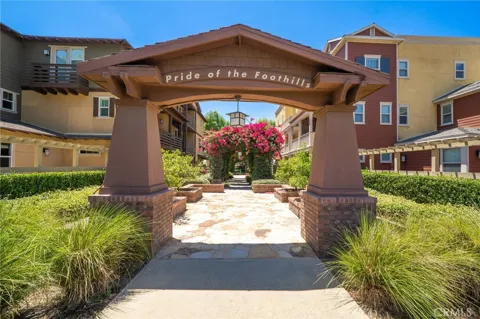
Welcome to Glendora, the "Pride of the Foothills," where Route 66 meets the base of the San Gabriel Mountains in the eastern San Gabriel Valley.
Glendora occupies a distinctive position at the far eastern edge of Los Angeles County's San Gabriel Valley, where the flat valley floor gives way to the steep front range of the San Gabriel Mountains. About 25 miles northeast of downtown Los Angeles, the city of roughly 52,500 residents has long marketed itself as "The Pride of the Foothills," a name that captures both its location and its identity as a tidy, established suburban community with a strong sense of place. The mountains are not a distant backdrop but an immediate presence, rising directly behind the city's northern neighborhoods and shaping views, weather, and recreation. The city was founded during the Southern California land boom of the 1880s and grew around citrus, then suburbanized in the post-war decades. Historic Route 66 runs through Glendora, and the city's stretch of the famous highway remains a point of local pride, linking it to the region's automobile and roadside heritage. The downtown area, known as Glendora Village, is a compact, walkable district of owner-operated shops, restaurants, and cafes along Glendora Avenue, and it hosts community events through the year. Around the Village, the city spreads into tree-lined residential streets that climb gradually toward the foothills. Glendora's school system is a central part of its appeal. The Glendora Unified School District serves the city with a set of well-regarded elementary, middle, and high schools, and the high school's athletics and activities give the community a strong shared identity. Families have long been drawn to the combination of quality schools, mountain access, and the safety and calm of an established suburb. Recreation is anchored by the mountains and the network of trails that enter the Angeles National Forest just above town, along with neighborhood parks and the city's own trail system. The foothill setting also keeps Glendora close to the wider San Gabriel Valley and Los Angeles via Route 66, the I-210 freeway, and surface arterials. For residents, Glendora offers the rare combination of a small-town-feeling village core, strong schools, and direct access to one of Southern California's great mountain ranges.
Glendora is in Los Angeles County, California, in the eastern San Gabriel Valley. It lies about 25 miles northeast of downtown Los Angeles, directly against the base of the San Gabriel Mountains.
Glendora has long used the nickname 'The Pride of the Foothills' to describe its setting at the base of the San Gabriel Mountains and its character as a well-kept, established suburban community. The mountains rise directly behind the city and shape its views, climate, and recreation.
Yes. Historic Route 66 runs through Glendora, where it is known locally as Foothill Boulevard. The city's stretch of the famous highway is a point of local pride and connects Glendora to the broader Route 66 heritage of the San Gabriel Valley.
The Glendora Unified School District serves the city, operating its elementary, middle, and high schools. Campuses such as Cullen Elementary and Glendora High School anchor the district, and the schools are a major reason families choose to live in Glendora.
Glendora Village is the city's historic downtown district, centered on Glendora Avenue. It is a walkable area of owner-operated shops, restaurants, and cafes that hosts community events throughout the year and serves as the social heart of the city.
City Guide
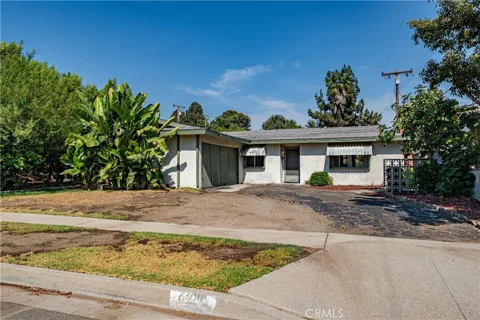
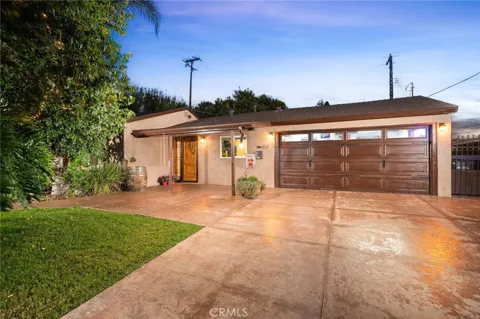
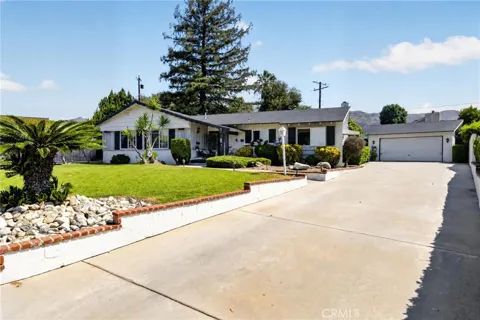
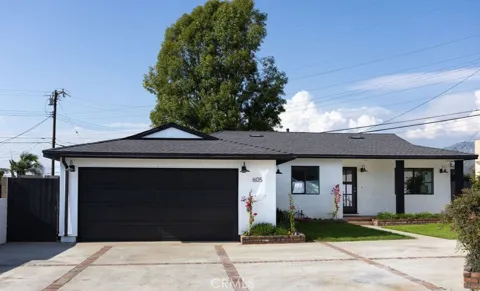
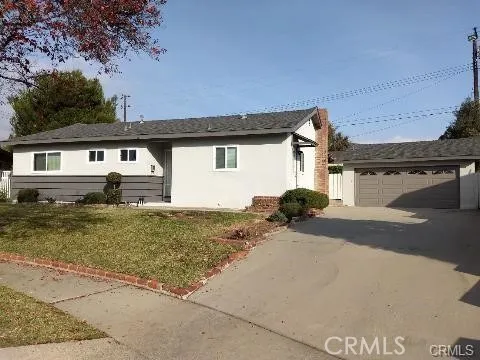
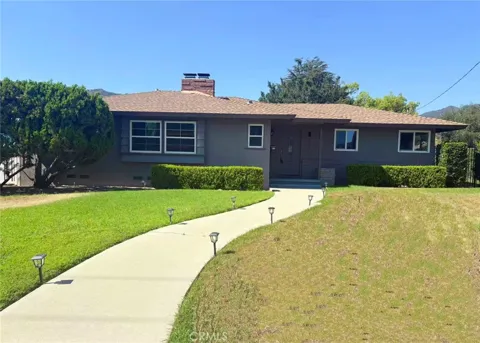
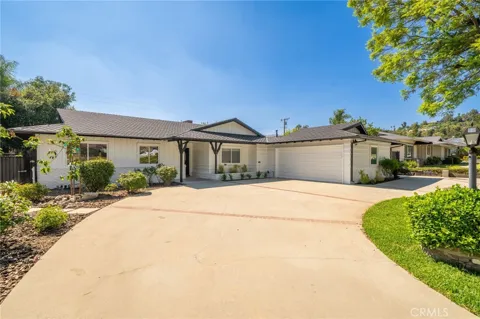
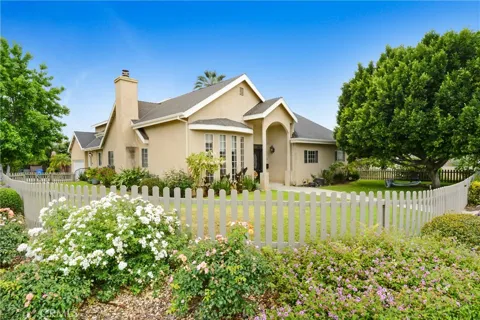
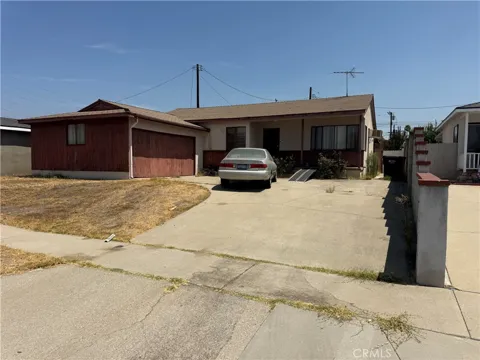
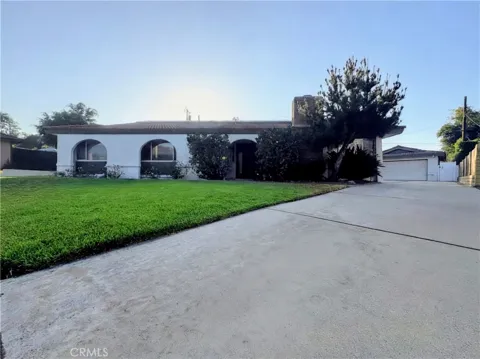
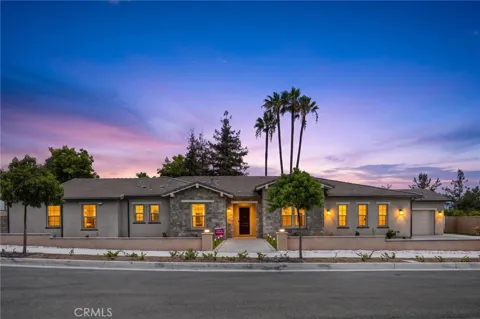
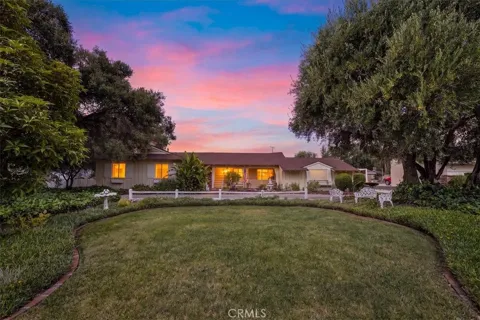
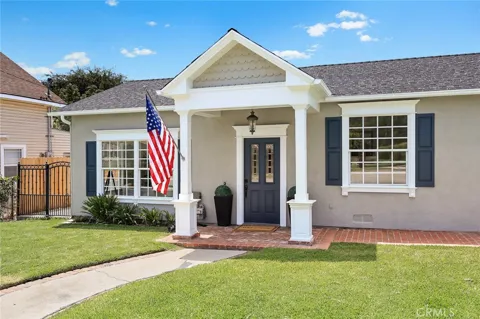
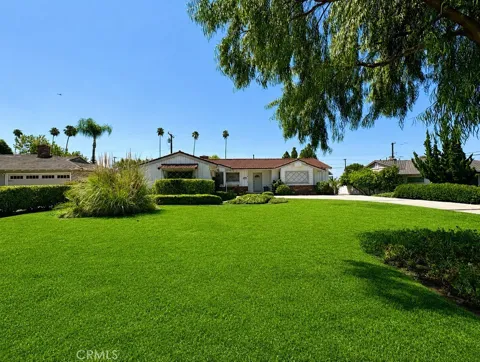
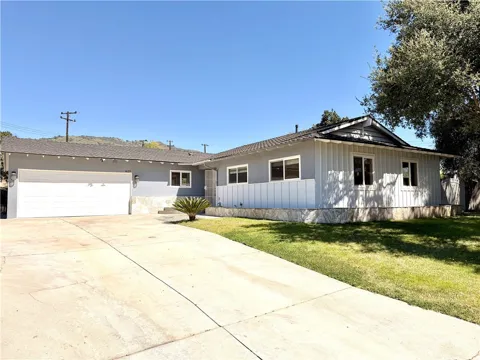
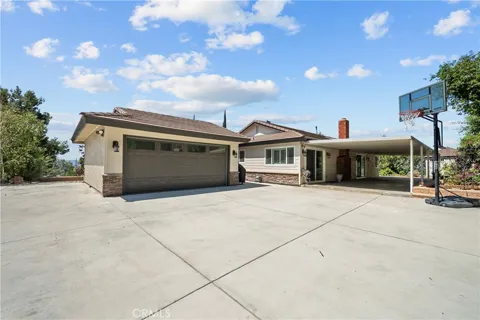
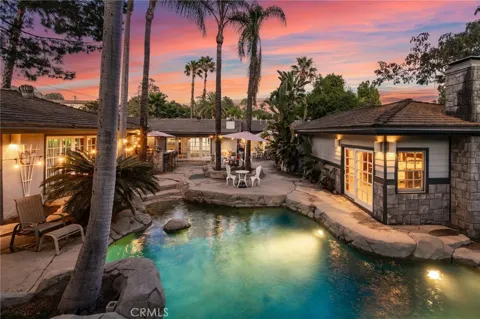
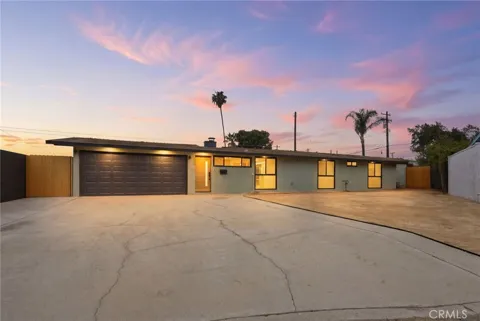
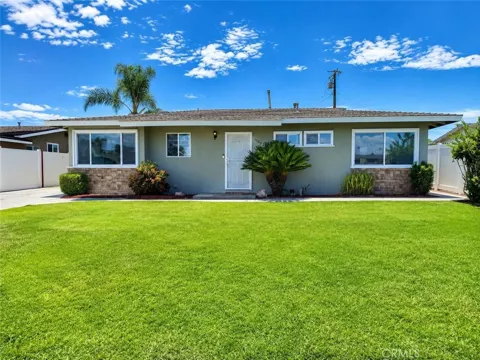
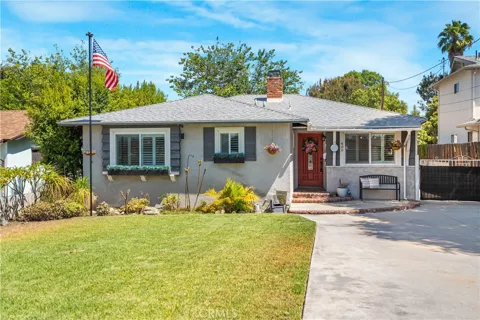
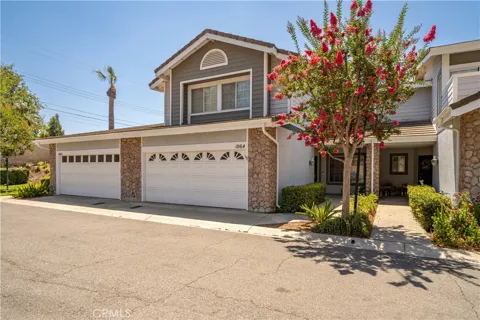
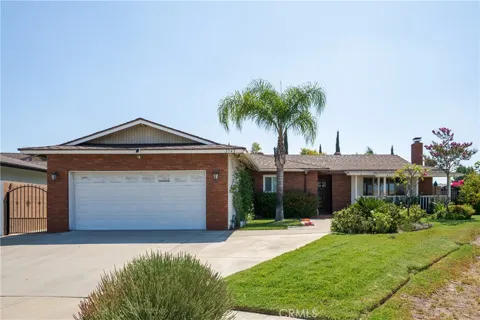
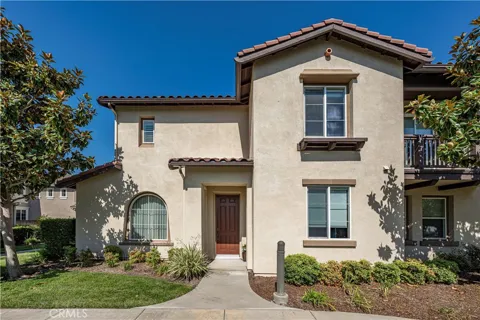
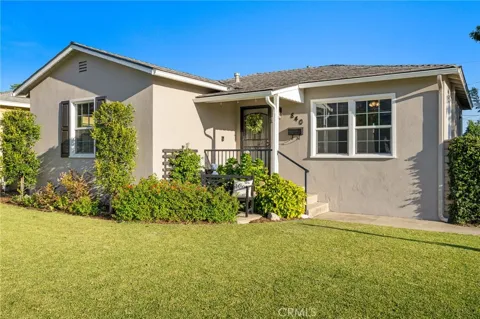
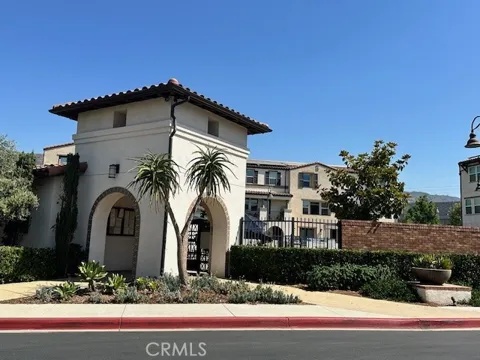
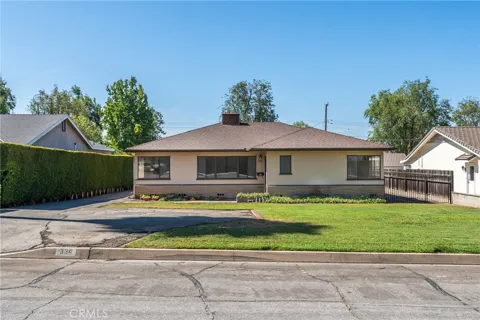
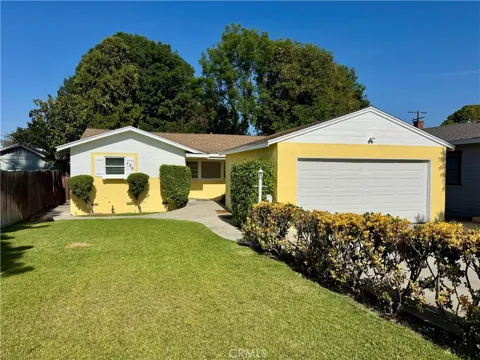
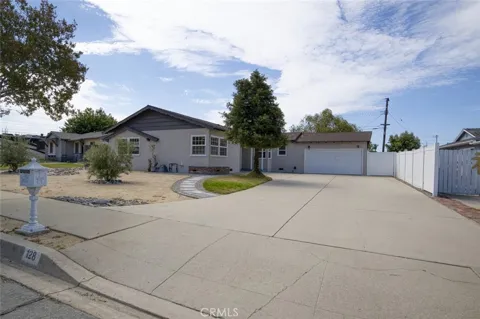
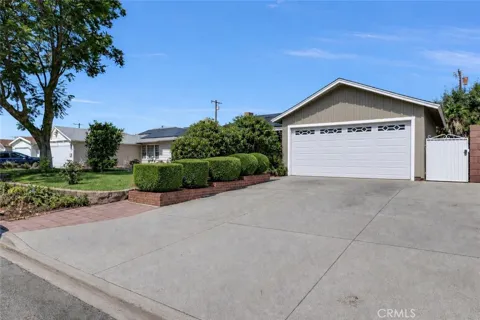
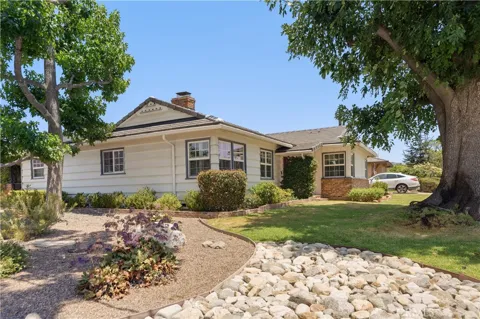
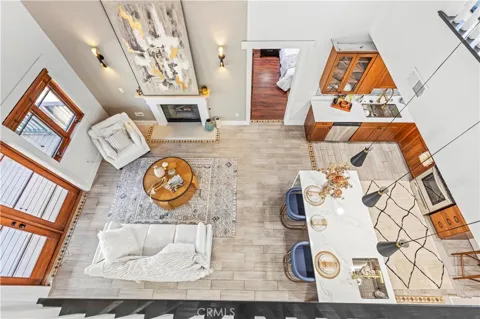
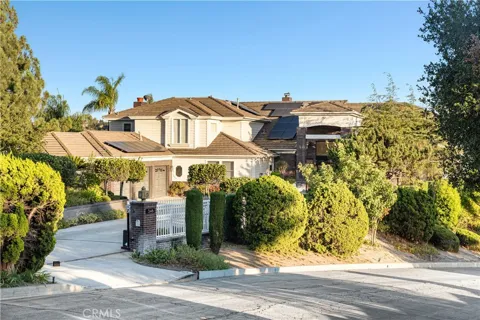
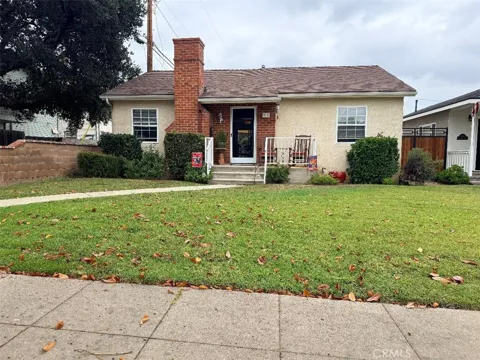
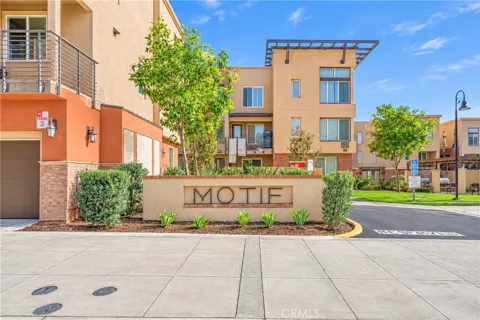
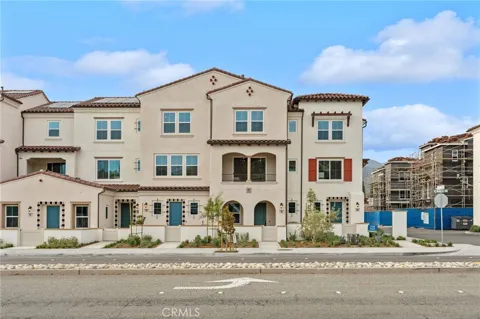
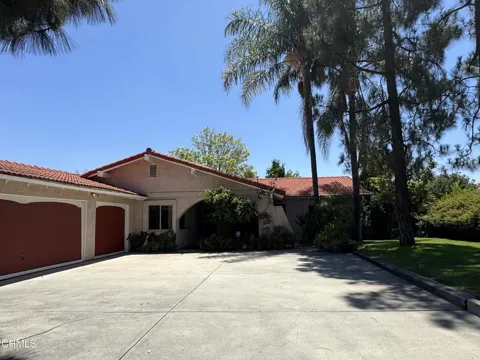
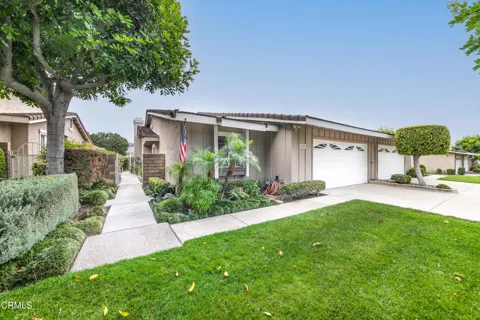
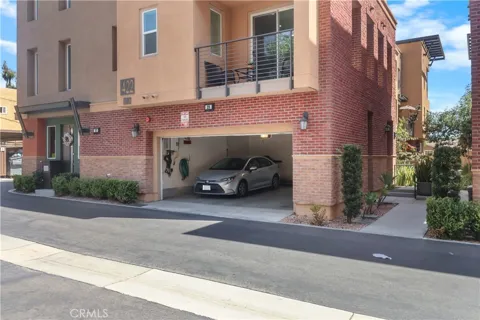
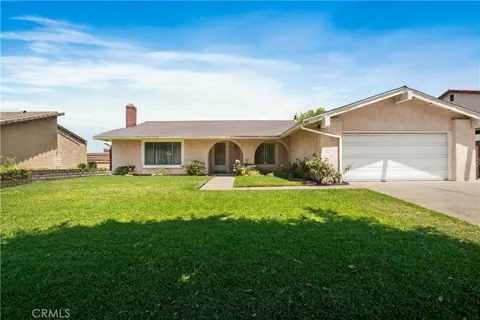
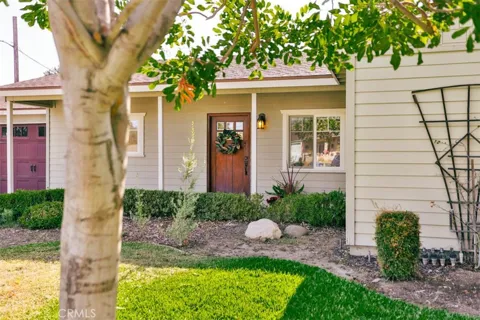
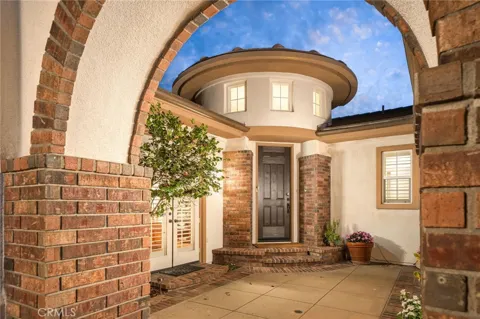
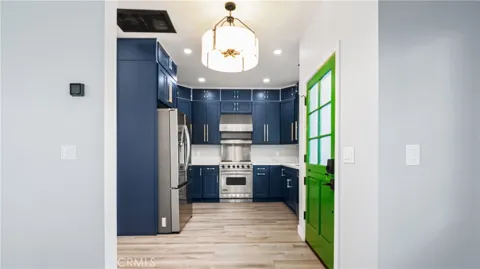
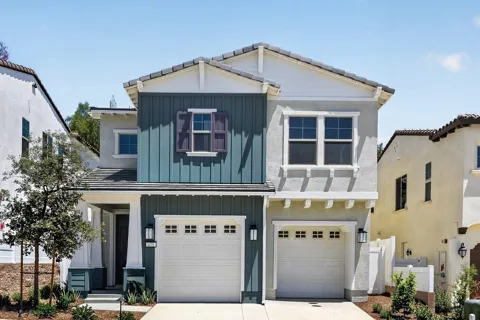
Glendora's housing stock is predominantly single-family and suburban, built out over more than a century. The oldest homes date to the citrus era and the early 20th century, while the largest share comes from the post-war decades, when ranch-style and traditional tract homes filled the valley floor and lower foothills. The foothill neighborhoods on the city's north side include larger lots and custom homes with mountain views, and the area features several gated communities, including Bluebird Hill and Gordon Highlands, offering a more exclusive setting. The overall character is established and well-kept — mature landscaping, wide residential streets, and a stable supply of detached homes rather than dense multi-family development.
Glendora's neighborhoods step up from the valley floor toward the San Gabriel Mountains. Around Glendora Village, the oldest residential streets hold early-20th-century homes within walking distance of downtown. The central and southern portions of the city feature mid-century subdivisions built around schools and parks, giving them a classic suburban rhythm. On the north side, foothill neighborhoods climb into the hills with larger lots, custom homes, and sweeping views, including gated enclaves such as Bluebird Hill and Gordon Highlands. The citrus-grove-era pockets blend older homes with newer development. Throughout, the neighborhoods are notable for mature trees and a strong orientation toward the city's schools and its mountain backdrop.
Glendora offers a calm, family-oriented suburban lifestyle with an unusually strong downtown. Glendora Village serves as the city's social center, a walkable district of independent shops, restaurants, and cafes that hosts community events and farmers-market-style gatherings through the year. Route 66 heritage runs through the city's identity, and the foothill setting gives everyday life a scenic, outdoors-oriented cast. School athletics and activities are major community touchstones, and the city's parks and trails see steady use. Residents value the combination of a safe, well-maintained environment, a real village core, and the ability to be on a mountain trail within minutes of leaving home.
Glendora is served by the Glendora Unified School District, which operates the city's elementary, middle, and high schools. The district's schools are consistently well regarded, and campuses such as Cullen Elementary and Glendora High School anchor the community. Glendora High supports a full slate of athletics — from football and basketball to water polo and field hockey — along with academic and arts programs that draw families into school life. The district's reputation is one of the principal reasons families choose the city, and the close relationship between schools and neighborhoods reinforces Glendora's identity as a community built around education and shared civic life.
Glendora is connected to the region by Route 66, which runs through the city as Foothill Boulevard, and by the I-210 freeway, the principal east-west corridor along the base of the San Gabriel Mountains. These routes provide access to Pasadena and downtown Los Angeles to the west and to the Inland Empire to the east. Surface arterials, including Glendora Avenue and the Route 66 corridor, tie the city's neighborhoods together and link it to neighboring foothill communities. The city's foothill location means most travel is by car, though regional transit options serve the corridor. The proximity of the freeway network keeps the wider San Gabriel Valley and Los Angeles basin readily reachable.
The San Gabriel Mountains are Glendora's defining recreational asset. Trails enter the Angeles National Forest directly above the city, offering hiking and scenic routes that range from easy foothill walks to challenging climbs, with the mountains visible from most of town. Within the city, neighborhood parks, sports fields, and the Glendora trail network provide everyday recreation, and the community's school facilities host youth athletics. The foothill setting also places residents within a short drive of the region's larger open spaces and the recreational amenities of the San Gabriel Valley. For a city of its size, Glendora offers an unusual degree of immediate access to wild land.
MARKET SNAPSHOT
How homes have been selling here over the last 90 days.
Market data reflects closed sales over the last 90 days and is provided for informational purposes.
BROWSE BY ZIP
Browse listings by postal code in this area.