San Gabriel Valley Foothill City
Welcome to Monrovia, a historic San Gabriel Valley city at the base of the San Gabriel Mountains, with a lively Old Town and its own Metro rail station.
Monrovia is a city in the San Gabriel Valley of Los Angeles County, California, situated directly at the base of the San Gabriel Mountains. It is one of the region's oldest municipalities, incorporated in 1887 as the fourth-oldest general-law city in Los Angeles County, after Los Angeles, Santa Monica, and Pasadena. Over its history, Monrovia transformed from a sparse community of orange ranches into a mature residential foothill city of roughly 38,000 people, covering about 13 square miles. The city's civic heart is Old Town Monrovia, a walkable district centered on Myrtle Avenue that combines restored early-20th-century architecture with restaurants, shops, and community events. The area also preserves a sense of Monrovia's railroad past, including a historic 1926 Santa Fe Spanish Colonial Revival depot near the modern transit corridor. Monrovia is served by the Monrovia Unified School District, which operates five elementary schools, two middle schools, and one comprehensive high school. Education and family life are central to the community's identity, and the district's campuses are woven throughout the city's neighborhoods. The northern edge of Monrovia opens directly onto the San Gabriel Mountains. Canyon Park, an 80-acre wilderness area just minutes from downtown, offers trails, picnic areas, and a seasonal waterfall, while the broader Angeles National Forest lies beyond. The city also maintains an active system of neighborhood parks, including Recreation Park and Library Park. Transportation is anchored by the Metro A Line (formerly the Gold Line), whose Monrovia station at Myrtle Avenue and Duarte Road opened in 2016 as part of the Foothill extension from Pasadena to Azusa. The station links the city to Pasadena and downtown Los Angeles, while Interstate 210 provides highway access across the San Gabriel Valley. The combination of historic character, strong schools, mountain recreation, and rail transit makes Monrovia a distinctive foothill community within greater Los Angeles.
Monrovia is in Los Angeles County, California, within the San Gabriel Valley region. It sits at the base of the San Gabriel Mountains, just east of Pasadena and Arcadia, roughly 20 miles northeast of downtown Los Angeles.
Monrovia was incorporated in 1887, making it the fourth-oldest general-law city in Los Angeles County, after Los Angeles, Santa Monica, and Pasadena. It grew from a community of orange ranches into a residential foothill city.
Monrovia is served by the Monrovia Unified School District, which operates five elementary schools, two middle schools, and one comprehensive high school, along with additional programs for the city's roughly 5,000 students.
Yes, Monrovia has a light-rail station on the Metro A Line (formerly the Gold Line), located at Myrtle Avenue and Duarte Road. The station opened in 2016 as part of the Foothill extension and connects Monrovia to Pasadena and downtown Los Angeles.
Canyon Park is an 80-acre wilderness park in the foothills just minutes from downtown Monrovia, offering a network of trails and a seasonal waterfall. It is one of the city's most popular outdoor destinations.
City Guide
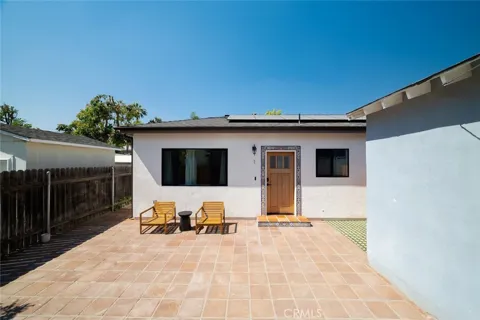
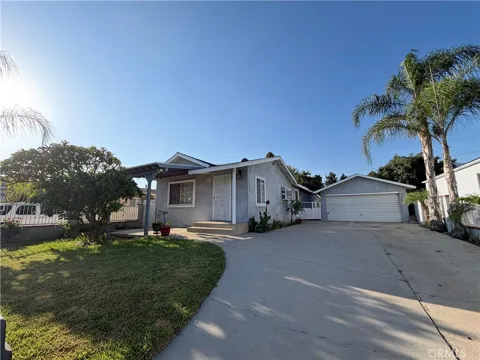
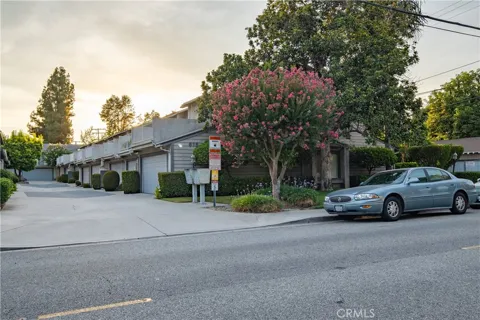
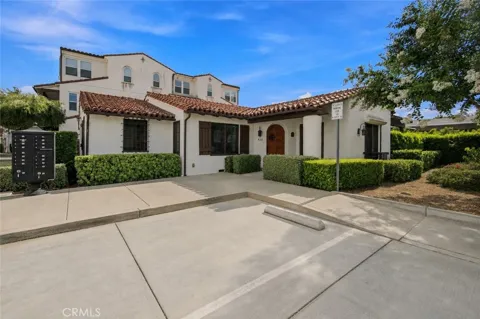
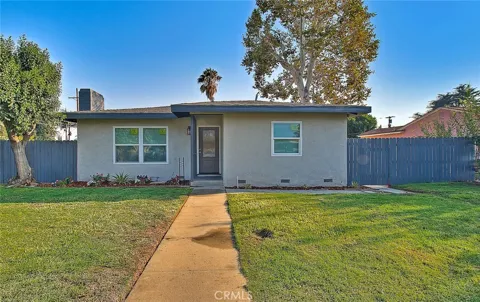
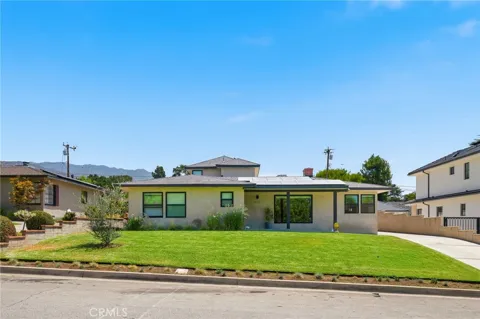
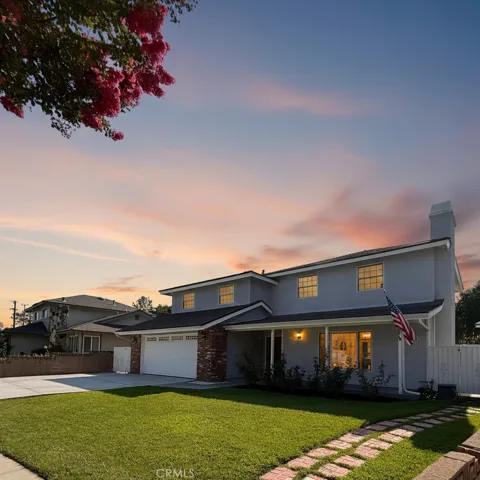
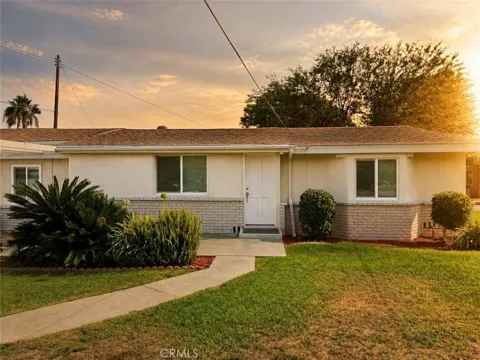
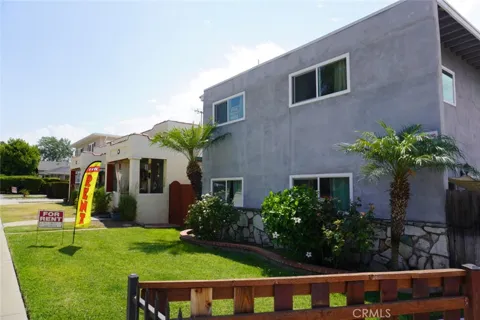
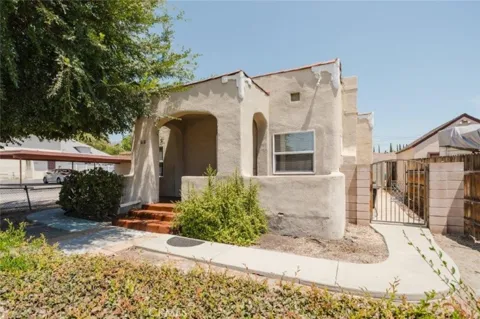
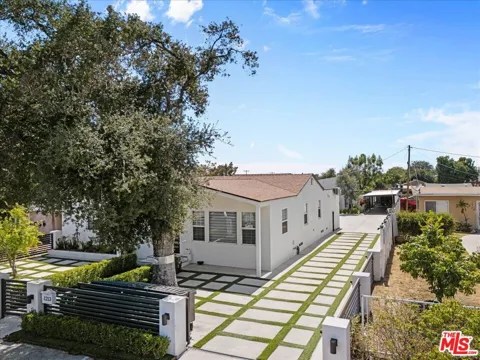
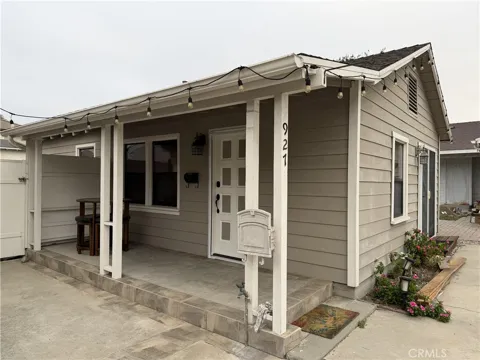
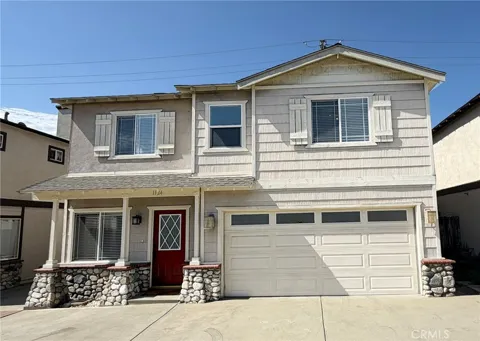
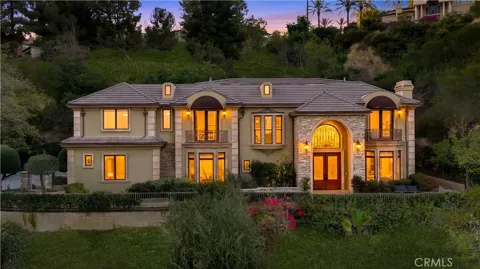
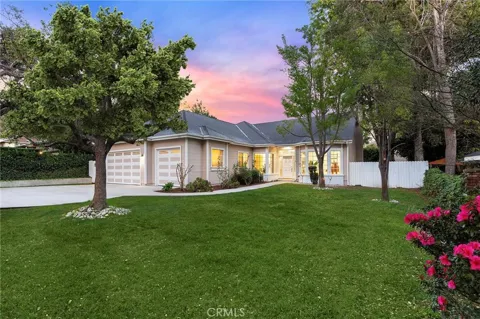
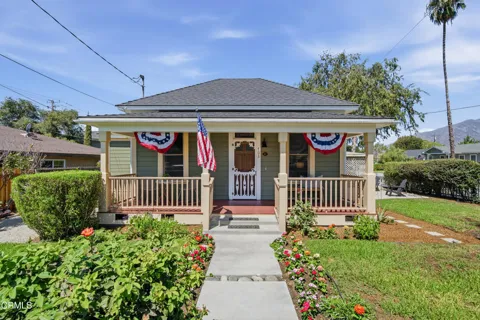
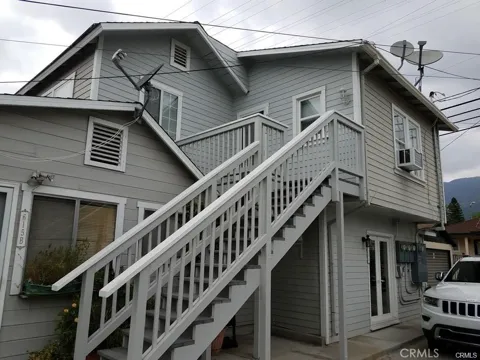
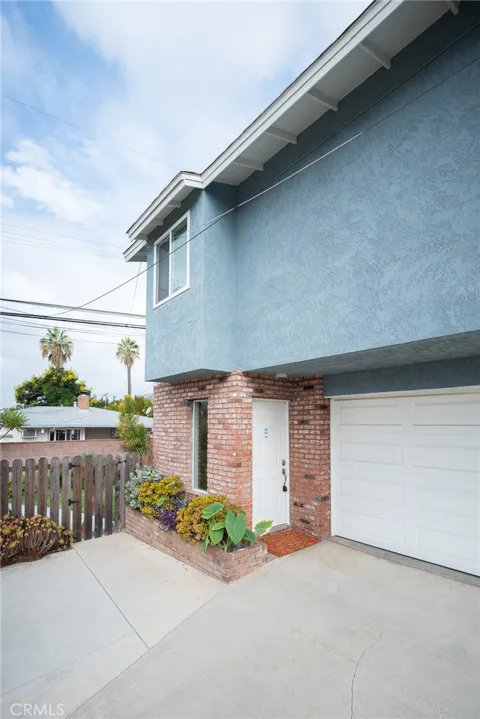
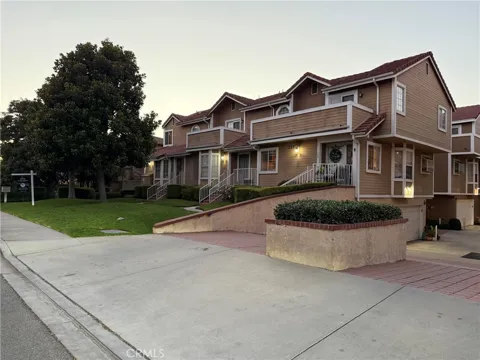
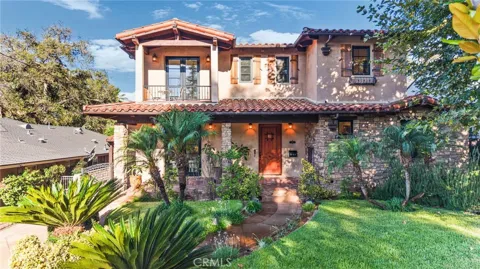
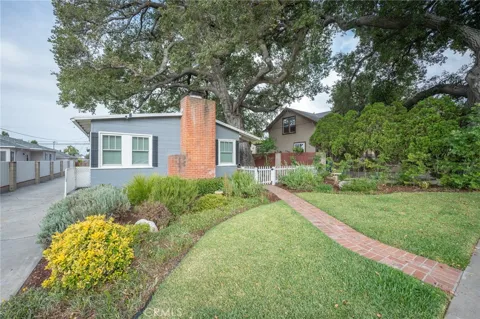
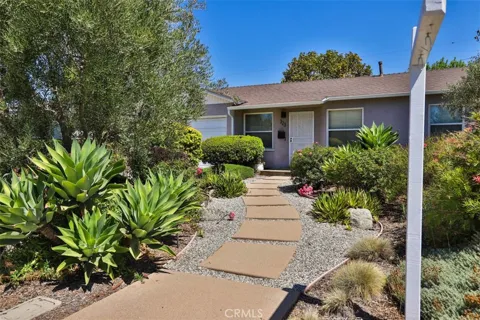
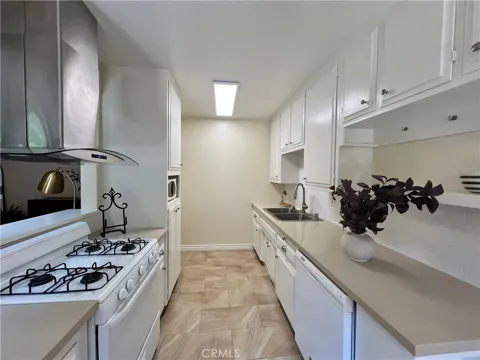
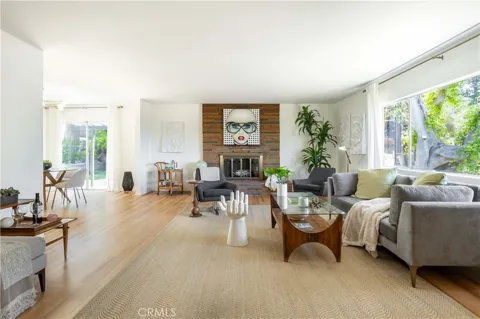
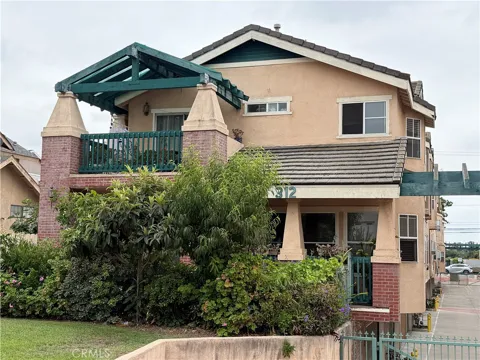
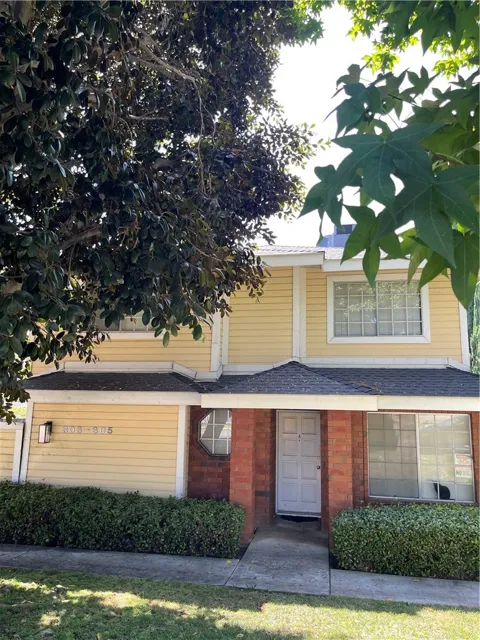
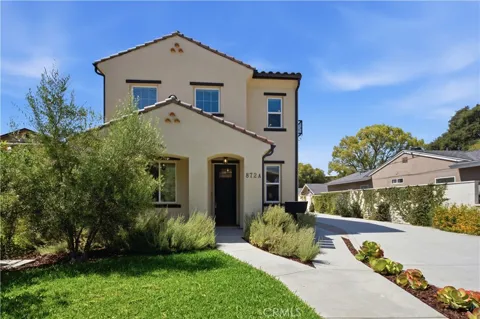
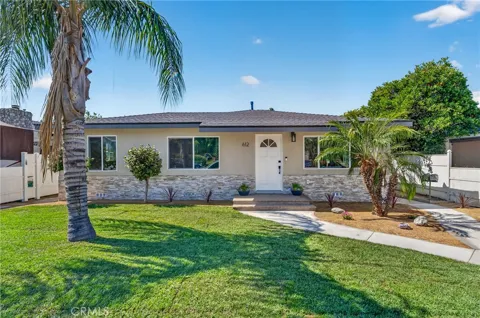
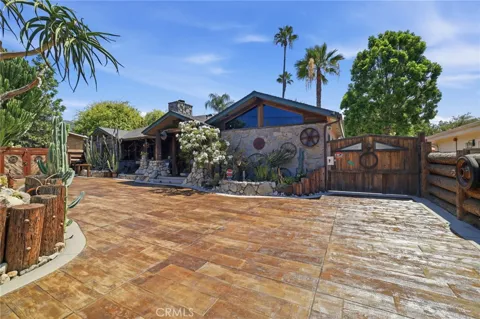
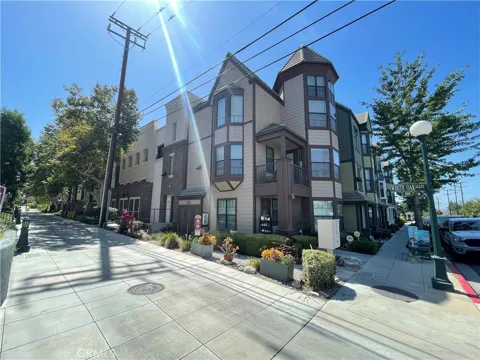
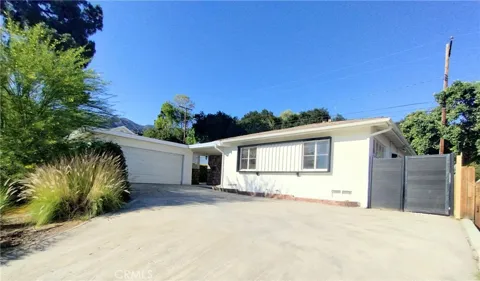
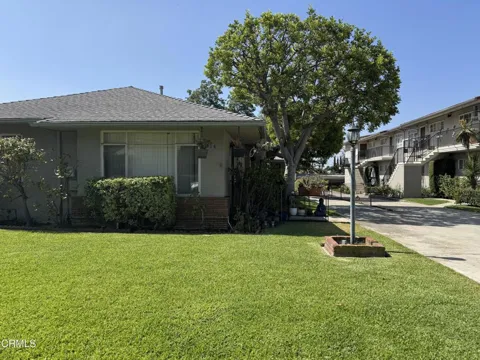
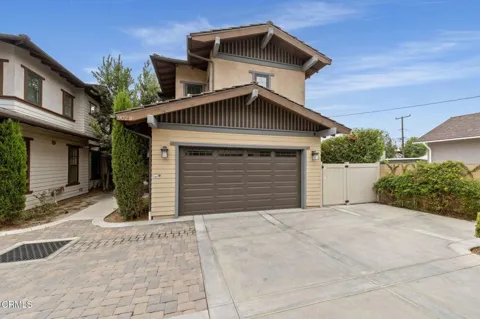
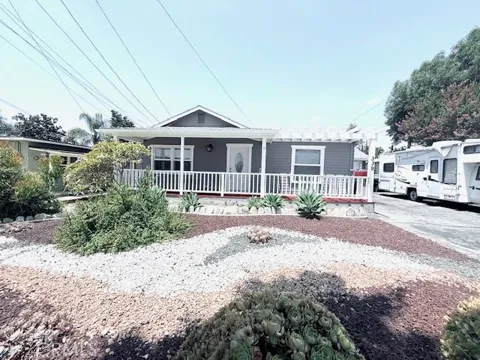
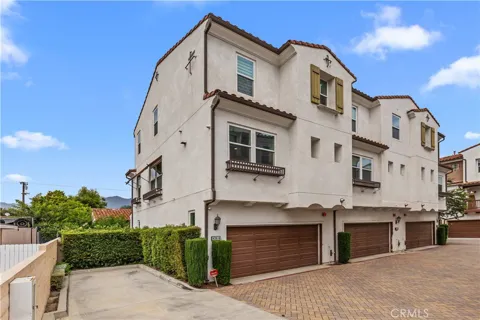
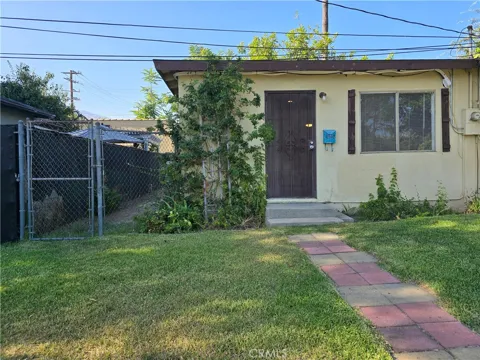
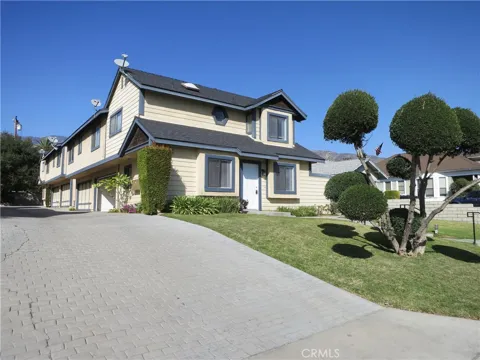
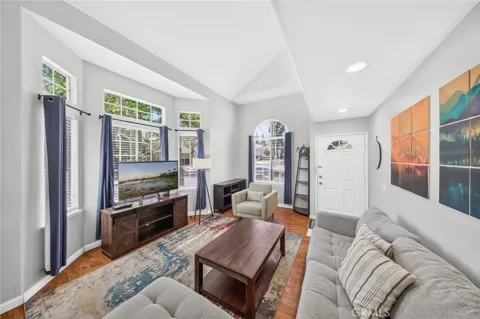
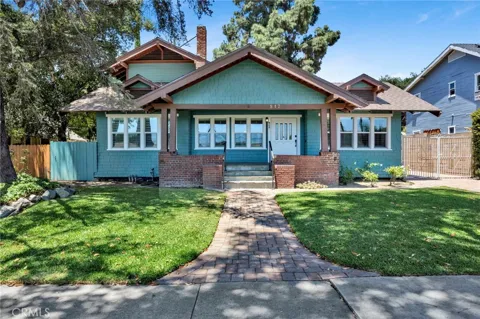
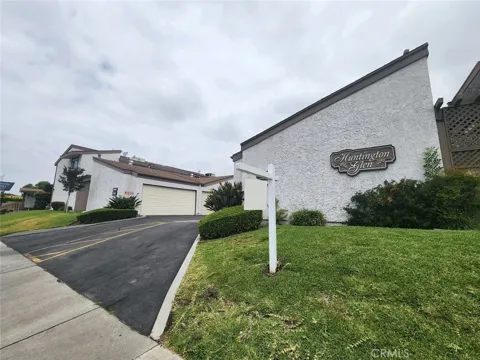
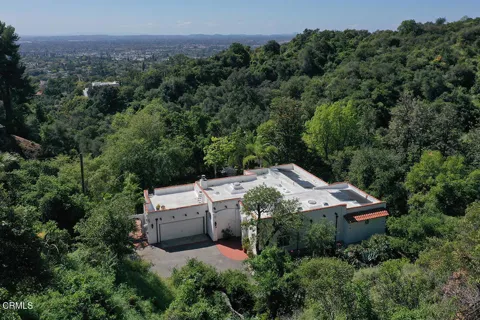
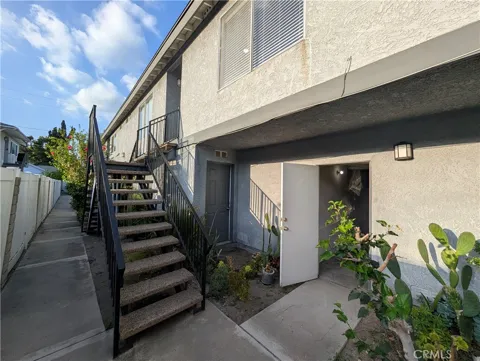
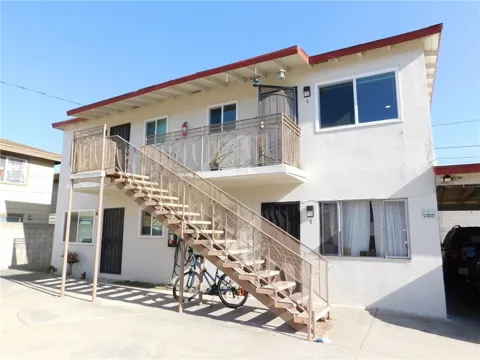
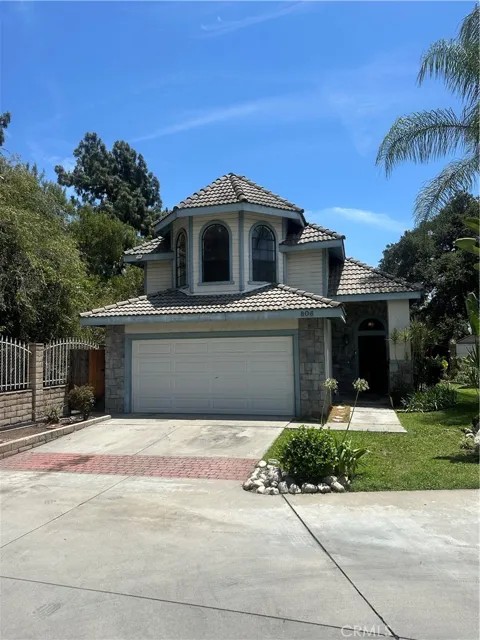
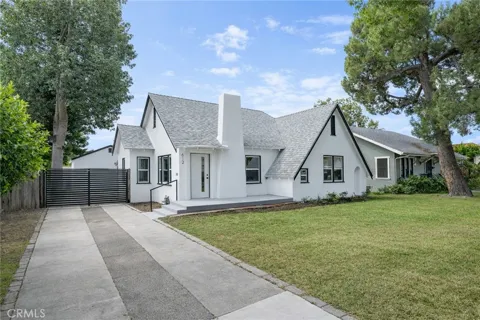
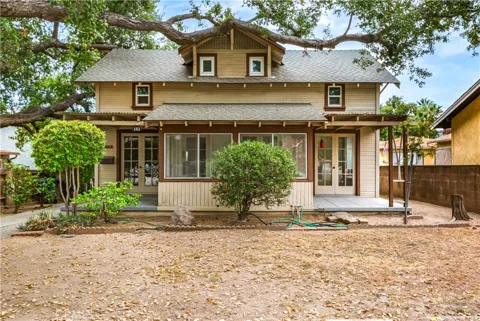
Monrovia is a fully built-out foothill city, so its housing stock reflects more than a century of development. The community offers a range of single-family homes, from early-20th-century Craftsman bungalows and Spanish Revival houses near Old Town to mid-century ranch homes and larger foothill properties on the northern edge, where lots climb toward the mountains. The city's long history of orange ranches gave way to residential neighborhoods over the decades, creating established, tree-lined streets with character. Housing is predominantly detached single-family, with some condominiums and apartments concentrated near the downtown and transit corridors.
Monrovia's neighborhoods spread from the commercial spine of Old Town outward in all directions. The historic core around Myrtle Avenue is surrounded by early residential streets filled with Craftsman and period homes. To the north, the terrain rises into the foothills, where larger homes and hillside properties offer mountain views and closer access to Canyon Park and the Angeles National Forest. South of the Interstate 210 freeway, more mid-century and post-war neighborhoods sit closer to the Metro station and Duarte Road corridor. This variety gives Monrovia a full range of settings, from walkable in-town blocks to quieter foothill enclaves.
Monrovia blends small-town charm with foothill living. Old Town Monrovia, centered on Myrtle Avenue, provides a walkable district of restaurants, coffee shops, and independent retailers, and hosts a regular calendar of community events, street fairs, and seasonal celebrations. The San Gabriel Mountains rise immediately to the north, bringing hiking, canyon trails, and open space into everyday life. The city's mature residential streets, active parks, and civic institutions give it a close-knit feel that stands out in the greater Los Angeles area, while the Metro A Line and nearby freeways keep the region's cultural and employment centers accessible.
Monrovia is served by the Monrovia Unified School District, a public K-12 district based in the city. The district operates five elementary schools, two middle schools, and one comprehensive high school, serving roughly 5,000 students. Its schools are distributed throughout Monrovia's neighborhoods, keeping education close to home for most families. The district also provides early childhood and adult education programs. Together with a range of private and parochial options in the surrounding San Gabriel Valley, Monrovia's school system is a central reason the city attracts families seeking a foothill community with a strong local educational foundation.
Monrovia is served by a Metro A Line light-rail station at Myrtle Avenue and Duarte Road, opened in 2016 as part of the Foothill Gold Line extension from Pasadena to Azusa. The line connects the city to Pasadena and downtown Los Angeles, with a connection to the broader Metro system at Union Station. Interstate 210 runs along the city's southern edge, providing highway access across the San Gabriel Valley, while nearby routes connect to the rest of the Los Angeles basin. The historic 1926 Santa Fe depot near the station anchors a planned transit-oriented district, reflecting Monrovia's evolution from a railroad town to a modern rail-served suburb.
Monrovia's recreation is defined by its mountain setting. Canyon Park, an 80-acre wilderness preserve minutes from downtown, offers a network of trails, picnic areas, and a seasonal waterfall and is the city's signature outdoor destination. The adjacent San Gabriel Mountains and Angeles National Forest extend opportunities for hiking and nature beyond the city limits. Within town, Recreation Park and Library Park rank among the most-used public spaces, offering sports fields, playgrounds, and community facilities. This combination of an in-town park system and immediate access to mountain wilderness gives Monrovia residents outdoor recreation on their doorstep.
MARKET SNAPSHOT
How homes have been selling here over the last 90 days.
Market data reflects closed sales over the last 90 days and is provided for informational purposes.
BROWSE BY ZIP
Browse listings by postal code in this area.