San Fernando Valley Foothills
Welcome to Sylmar, the northernmost neighborhood of Los Angeles in the San Fernando Valley, known as "The Top of Los Angeles."
Sylmar is the northernmost neighborhood of the city of Los Angeles, set in the northeast San Fernando Valley near the foothills of the San Gabriel Mountains. Often called "The Top of Los Angeles," it is a large, suburban area whose name means "sea of trees" — a reference to the landscape that defined it for generations. That landscape was one of olives. Sylmar's roots trace to the 1797 founding of Mission San Fernando Rey de España, and in the 1820s a mission father planted olive seedlings brought from Spain. Olive cultivation expanded dramatically in the 1890s, when growers planted trees across hundreds of acres; by 1898 some 200,000 trees stood, and by the early 1900s the property had become the largest olive grove in the world. The name Sylmar was adopted for the townsite in the early twentieth century. Today Sylmar is a residential foothill community within Los Angeles. Its streets spread below the San Gabriel Mountains, with commercial activity along the valley's major corridors and a suburban, car-oriented rhythm. Its position at the valley's northern rim gives it a somewhat more semi-rural character than neighborhoods closer to the valley floor, with mountain views and a slower pace. The neighborhood is served by the Los Angeles Unified School District, including Sylmar Elementary and Sylmar Charter High School. Recreation leans on the foothill setting, with hiking and access to the mountains and Angeles National Forest nearby, and Santa Clarita a short drive northwest. The neighborhood's identity remains shaped by this blend of mission-era history, agricultural heritage, and modern suburban growth. Sylmar suits households seeking a quieter, more spacious, foothill-oriented corner of the San Fernando Valley while remaining within the city of Los Angeles.
Sylmar is not a separate city; it is a suburban neighborhood of Los Angeles, the northernmost in the city. It lies in the San Fernando Valley and is sometimes called 'The Top of Los Angeles.'
Sylmar is known for its olive-growing history — by the early 1900s it held what was then the world's largest olive grove — and its name, which means 'sea of trees.' It traces its roots to the 1797 founding of Mission San Fernando.
Sylmar is part of the Los Angeles Unified School District. Neighborhood schools include Sylmar Elementary and Sylmar Charter High School, which sits in the foothills of the northeast San Fernando Valley.
Sylmar is in the northeast San Fernando Valley, at the northern edge of the city of Los Angeles near the foothills of the San Gabriel Mountains. Santa Clarita lies a short drive to the northwest.
City Guide
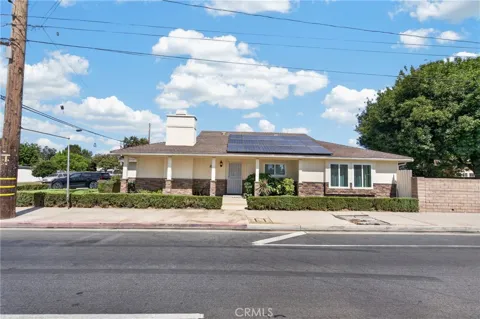
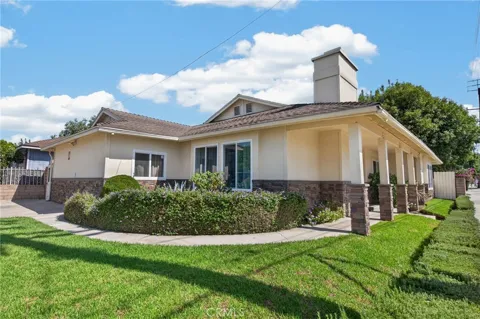
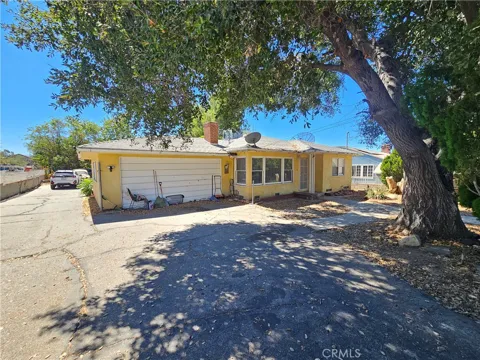
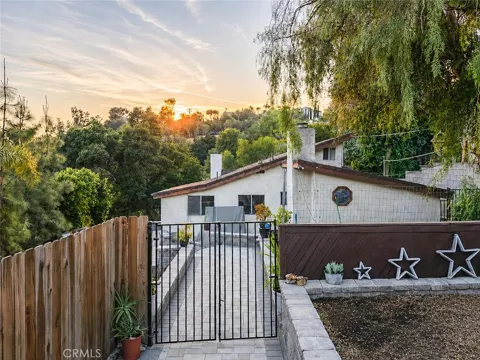
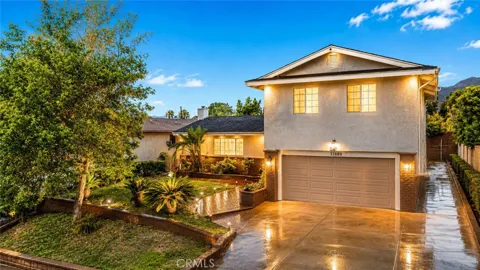
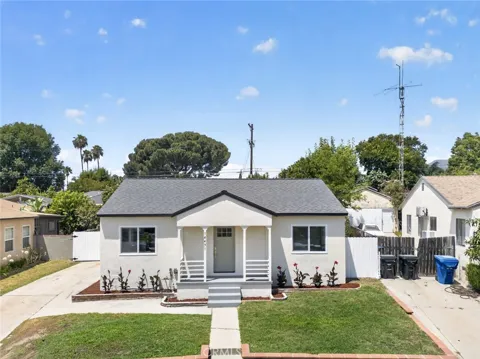
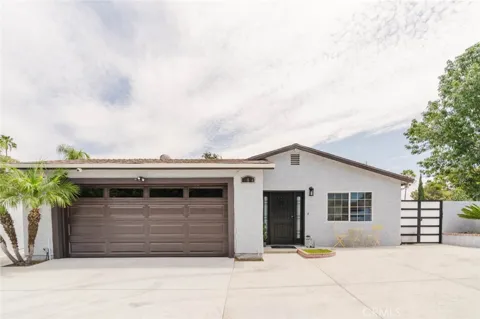
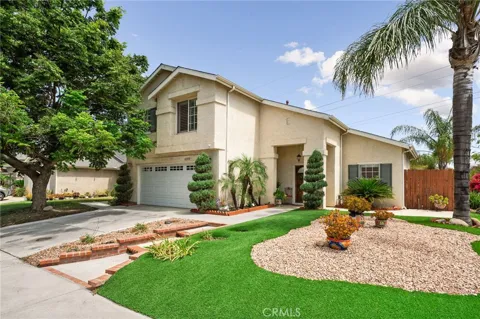
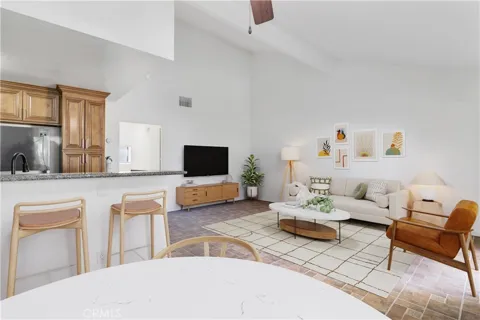
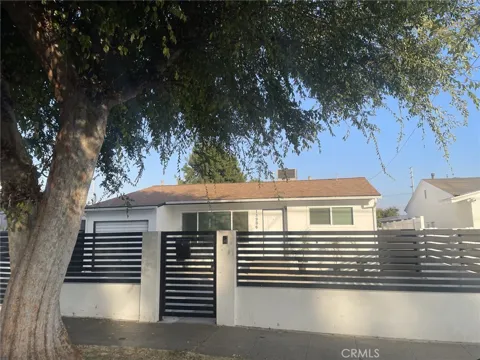
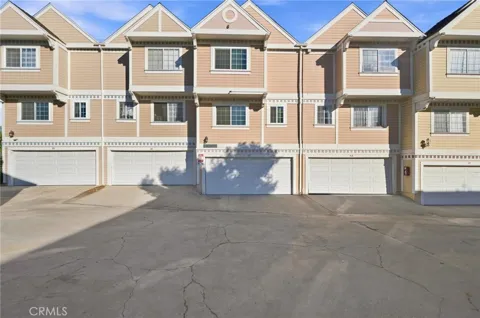
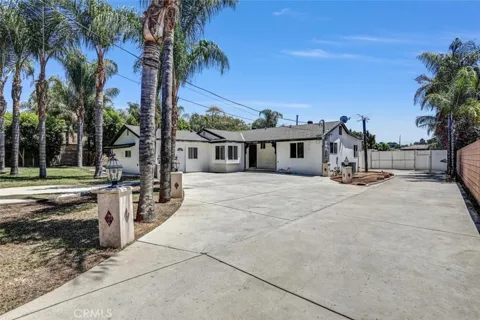
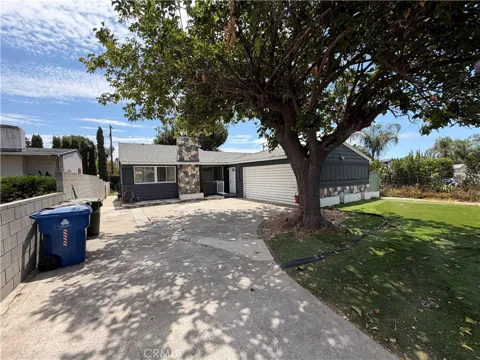
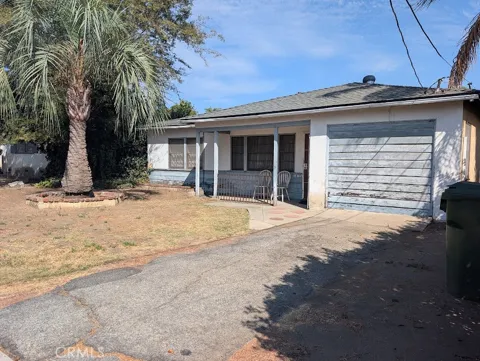
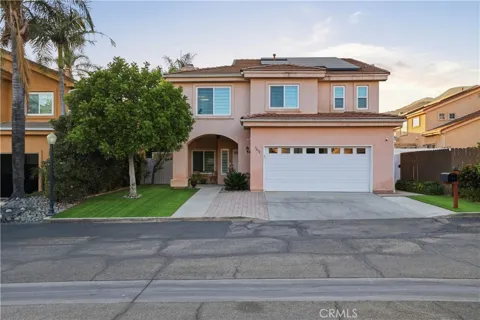
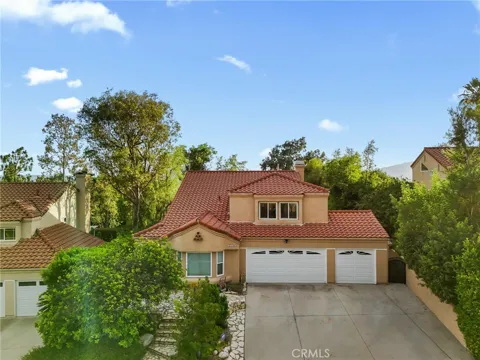
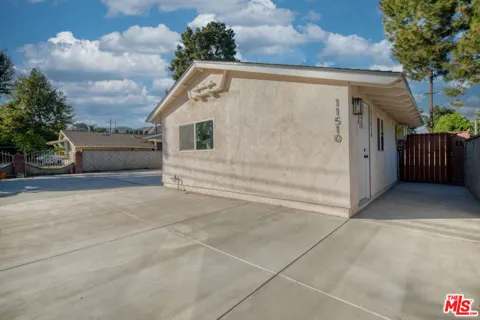
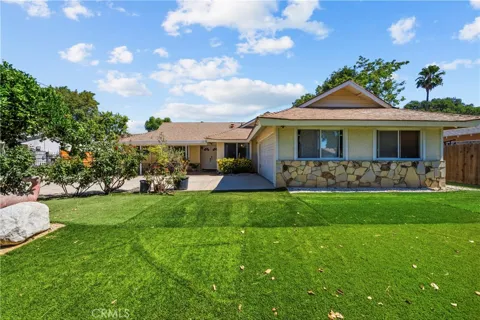
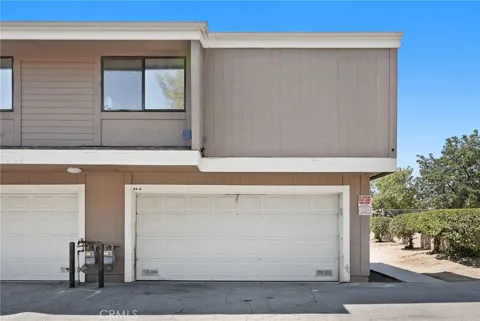
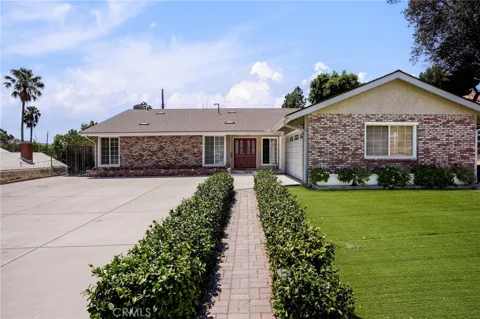
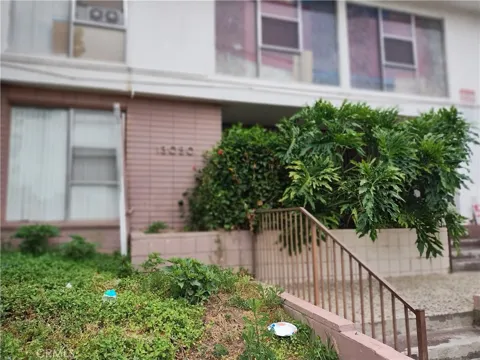
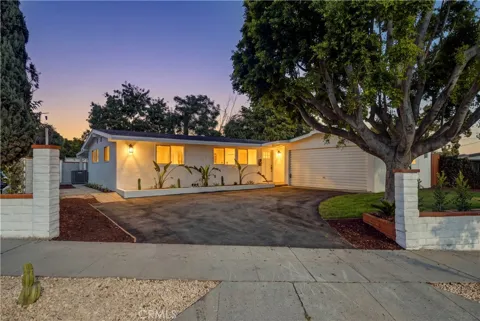
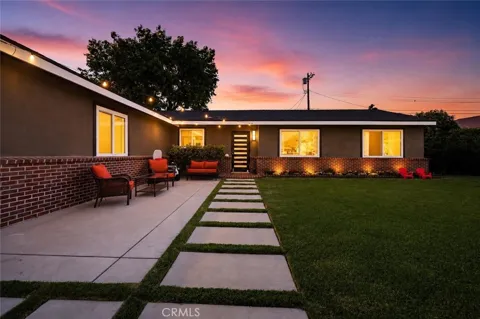
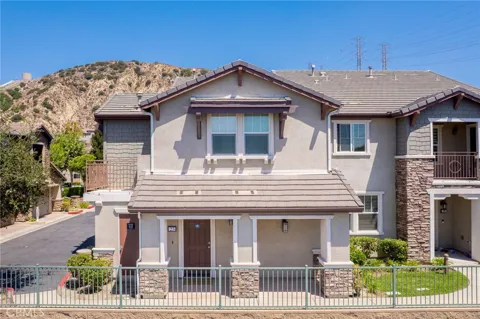
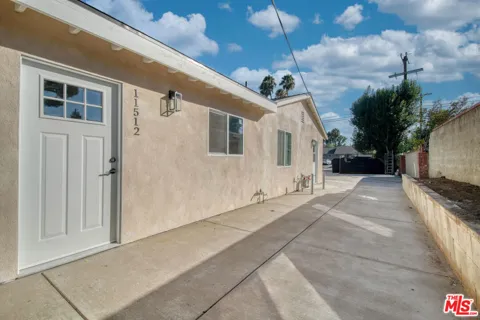
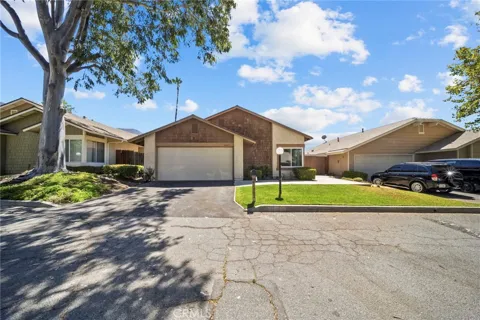
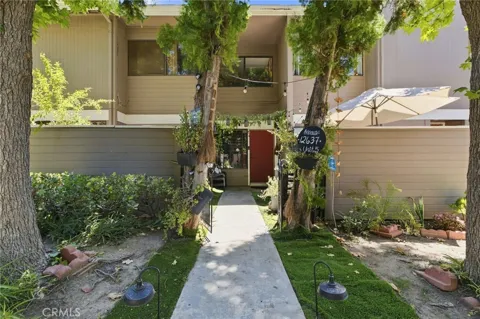
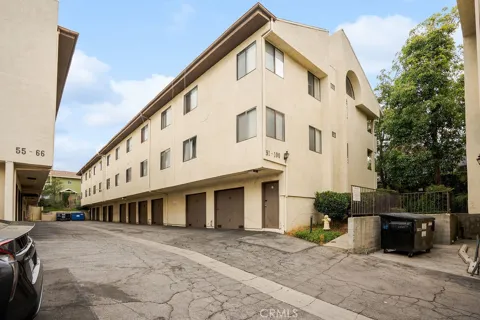
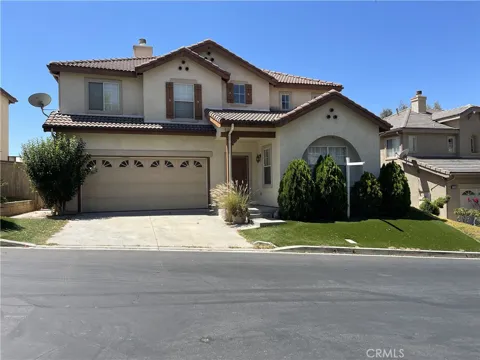
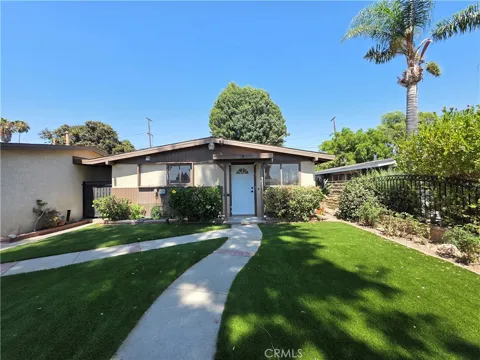
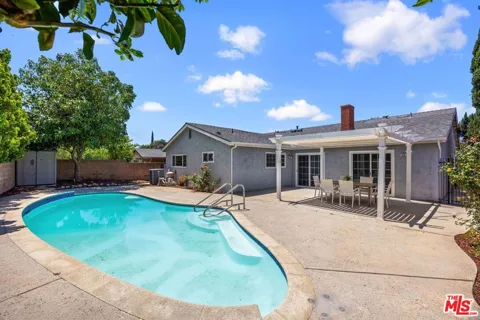
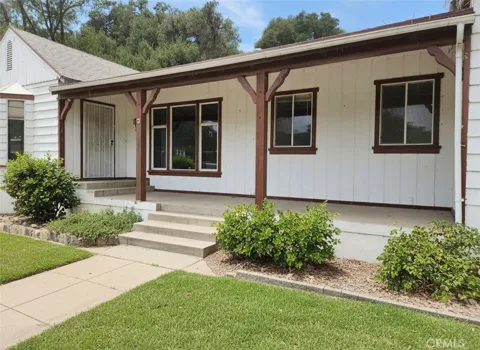
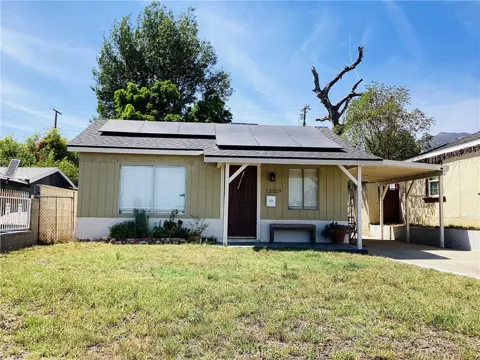
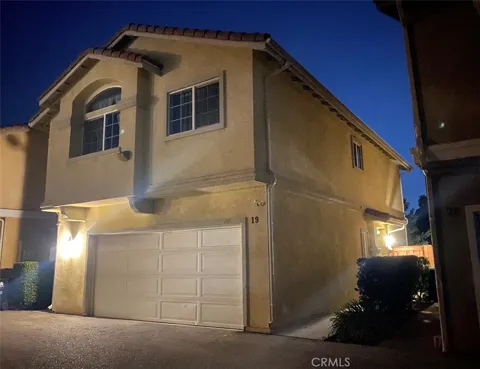
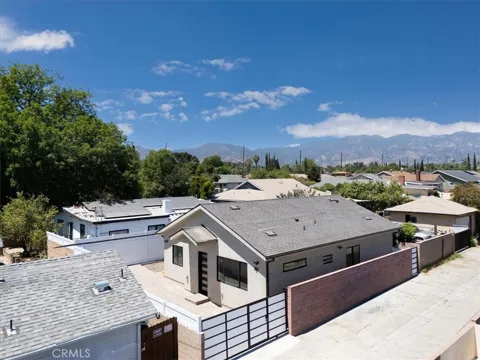
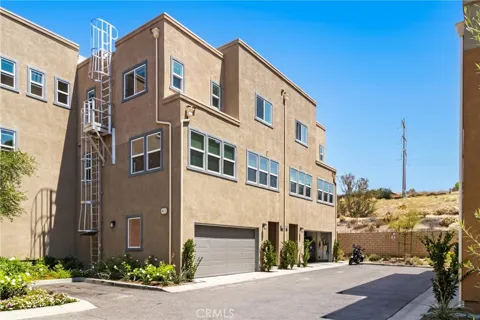
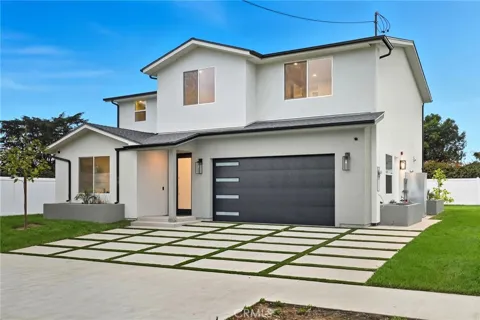
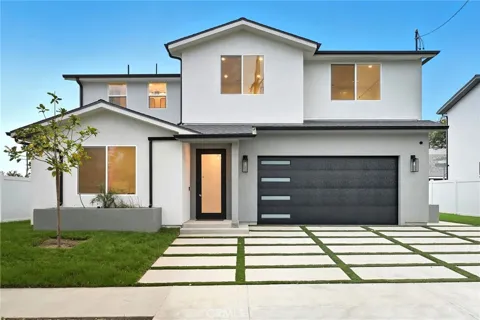
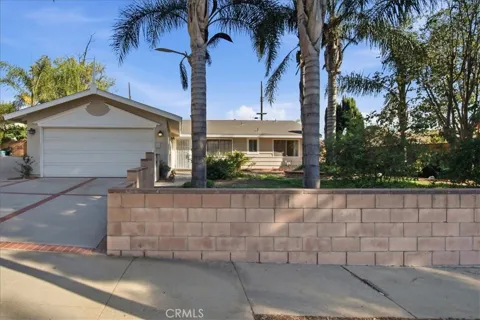
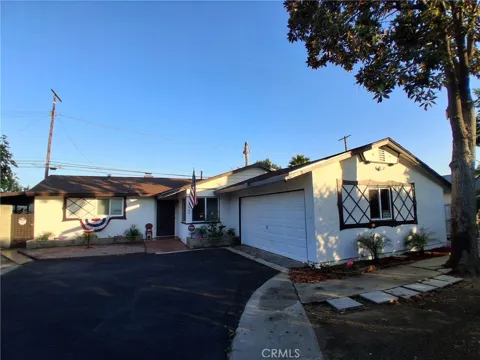
Sylmar's housing stock reflects its history as a foothill community absorbed into Los Angeles. The neighborhood is dominated by single-family homes in a suburban, foothill setting, alongside a share of multi-family development along its major corridors. Its position near the San Gabriel Mountains gives it a somewhat more spacious, semi-rural character than many parts of the valley floor. Housing spans several decades of construction, from mid-century ranch homes to newer development. Buyers are typically drawn by the suburban feel, mountain views, and the neighborhood's quieter pace within the city of Los Angeles.
Sylmar is the northernmost neighborhood of Los Angeles, a large, suburban area in the northeast San Fernando Valley rather than a single compact district. Its residential streets spread across the foothills below the San Gabriel Mountains, with commercial activity concentrated along the major corridors that run through the valley. The area's identity is tied more to its geography and history — the 'Top of Los Angeles' and its olive-grove past — than to distinct named subdivisions. LAUSD school attendance zones organize much of local life, and the neighborhood's scale means its residential pockets vary from older foothill streets to newer development.
Life in Sylmar blends suburban calm with Los Angeles scale. The neighborhood offers a quieter, more foothill-oriented pace than many parts of the city, with the San Gabriel Mountains rising to the north and Santa Clarita a short drive away through the forest. Its nickname, "The Top of Los Angeles," reflects both its elevation and its northernmost position. The community's identity draws on its mission-era and olive-grove heritage, while daily life is car-oriented and tied to the broader San Fernando Valley. Residents value the suburban feel, mountain access, and the relative spaciousness the foothills provide.
Sylmar is served by the Los Angeles Unified School District (LAUSD), the second-largest school district in the nation. Neighborhood schools include Sylmar Elementary and Sylmar Charter High School, the latter located in the foothills of the northeast San Fernando Valley and part of LAUSD's Local District 2. Because LAUSD is vast and attendance boundaries vary, families should confirm school assignments by address. The neighborhood's schools are a central part of community life, and charter and magnet options within the district give families choices beyond their home school.
Sylmar sits at the northern edge of Los Angeles, where the San Fernando Valley meets the foothills, and its transportation role reflects that position. The neighborhood is served by the region's freeway network, linking it to the rest of the San Fernando Valley and the greater Los Angeles area, with the corridor toward Santa Clarita passing just to the northwest. Travel is overwhelmingly car-based. The neighborhood's northernmost location positions residents for access to both the valley and the open spaces of the San Gabriel Mountains.
Recreation in Sylmar leans on its foothill setting. The neighborhood sits at the base of the San Gabriel Mountains, putting hiking, riding, and access to Angeles National Forest within easy reach, and Santa Clarita lies a short drive northwest. Local parks and school fields serve everyday recreation, and the neighborhood's history — from the San Fernando Mission era to its olive groves — adds a cultural layer. For residents, the combination of suburban parks, mountain trails, and the valley's broader amenities defines the recreation landscape.
MARKET SNAPSHOT
How homes have been selling here over the last 90 days.
Market data reflects closed sales over the last 90 days and is provided for informational purposes.
BROWSE BY ZIP
Browse listings by postal code in this area.