Mid-Peninsula City of Beautiful Homes
Welcome to San Mateo, the largest city in San Mateo County, set midway between San Francisco and San Jose and known for its historic home neighborhoods, walkable downtown, and bayfront parks.
San Mateo is a city in San Mateo County, California, located on the San Francisco Peninsula roughly midway between San Francisco and San Jose. With about 103,000 residents, it is the most populous city in its county and serves as a significant residential and commercial center for the mid-Peninsula. The city stretches from the wooded hills along Interstate 280 on the west toward San Francisco Bay on the east, with State Route 92 crossing the bay via the San Mateo Bridge. The city's development is rooted in the large land grants and estates of the nineteenth century. As those holdings were subdivided beginning in the early 1900s, neighborhoods such as San Mateo Park, Hayward Park, Baywood, and Aragon were created, earning San Mateo its long-standing nickname, the "City of Beautiful Homes." The arrival of the railroad and later the automobile and Highway 101 spurred steady suburban growth, and the post-war decades added ranch-house subdivisions and shopping districts that shaped much of today's city. San Mateo's economy and daily life are closely tied to its position between San Francisco and Silicon Valley. A substantial share of residents commute to technology, finance, and professional employment up and down the Peninsula, while the city itself supports a thriving downtown of restaurants, shops, and services. College of San Mateo and nearby institutions add an educational presence, and the San Mateo-Foster City and San Mateo Union High school districts are a central draw for families. The community has a comfortable, established character, with a walkable downtown centered on Central Park, a diverse population, and a mild coastal climate. For people relocating within the Bay Area, San Mateo offers a blend of historic residential character, strong schools, and exceptional regional connectivity, sitting within an easy train or drive of the region's major employment centers while maintaining a distinctly suburban, family-oriented feel of its own.
San Mateo is a city in San Mateo County, California, located on the San Francisco Peninsula between San Francisco and San Jose. It is the county's most populous city and a major mid-Peninsula hub.
San Mateo sits roughly midway down the San Francisco Peninsula, about 20 miles south of San Francisco and a similar distance north of San Jose. Caltrain and Highway 101 connect it to both cities.
San Mateo is served by the San Mateo-Foster City School District for elementary and middle school, and by the San Mateo Union High School District for high school. College of San Mateo provides local community college education.
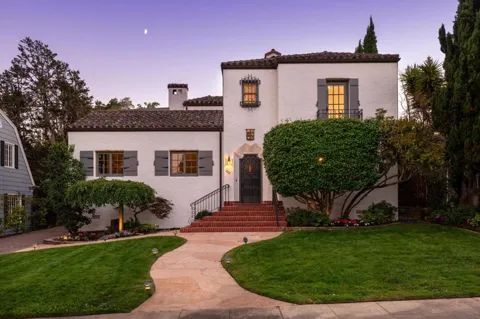
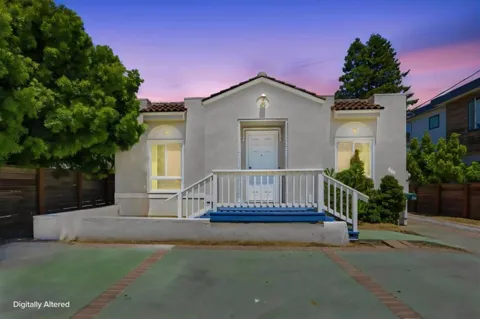
San Mateo has long been known as the City of Beautiful Homes for its early-twentieth-century neighborhoods such as Baywood, Aragon, and San Mateo Park, which feature architecturally significant homes on tree-lined streets.
Yes. San Mateo has multiple Caltrain stations, including downtown, Hayward Park, and Hillsdale, providing commuter rail along the Peninsula. SamTrans buses, BART at nearby Millbrae, and San Francisco International Airport add regional connections.
City Guide
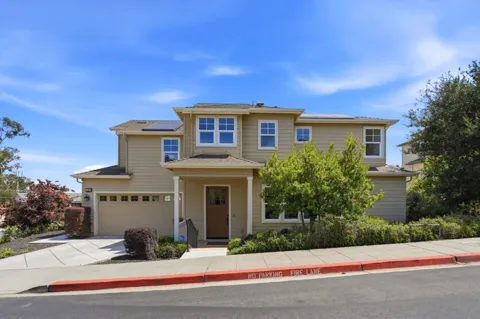
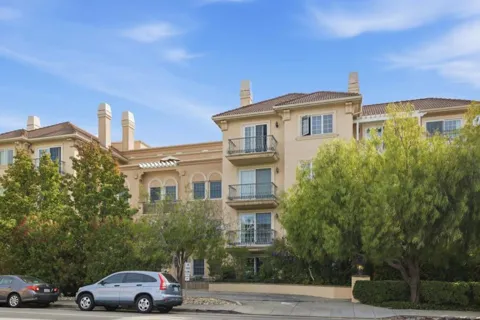
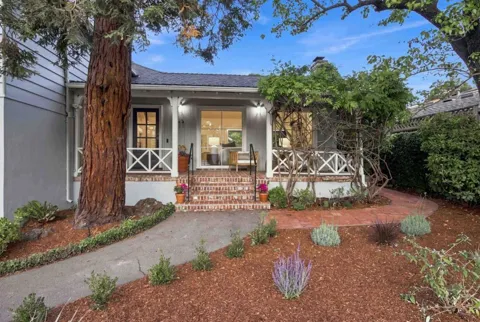
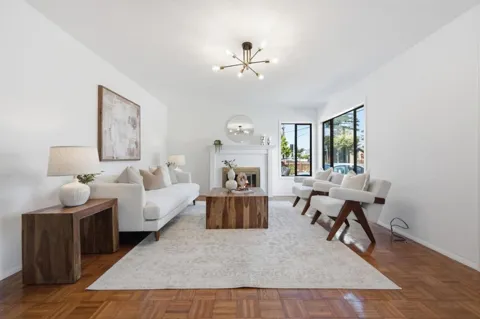
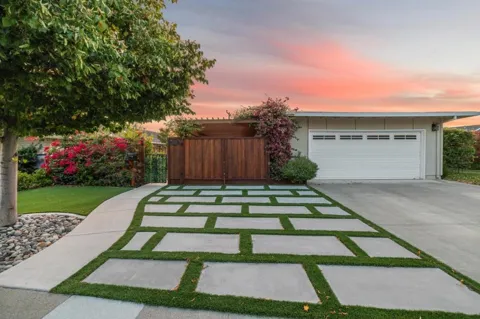
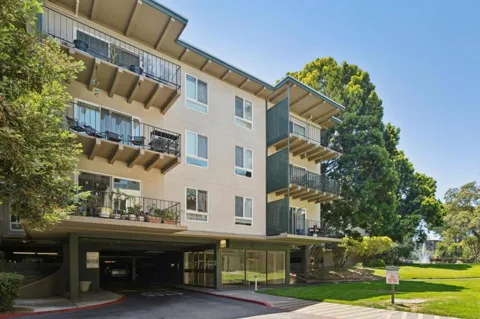
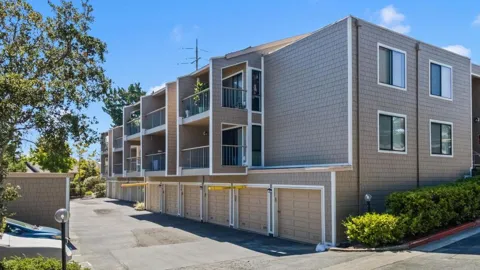
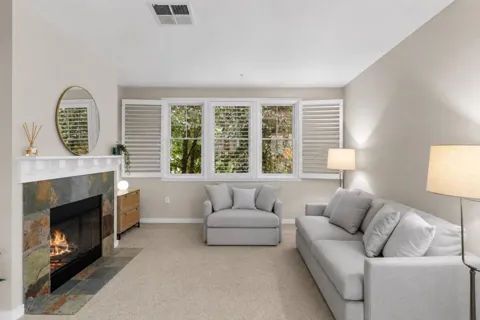
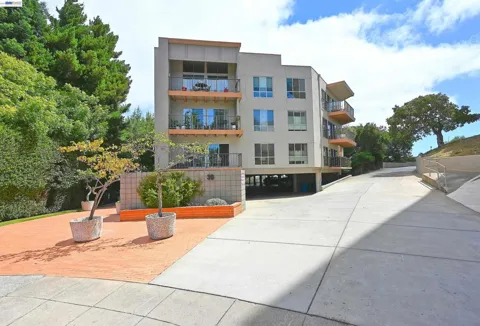
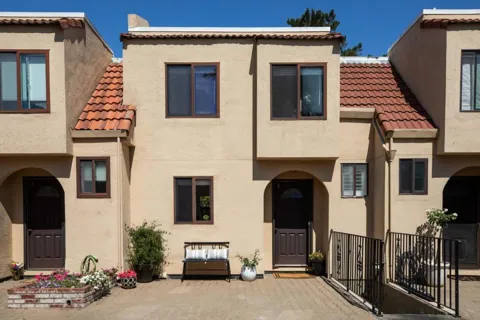
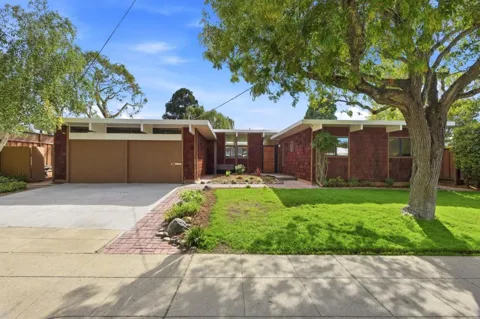
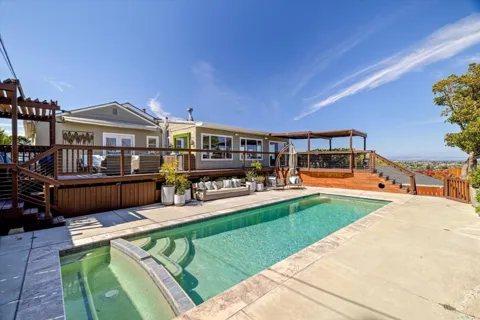
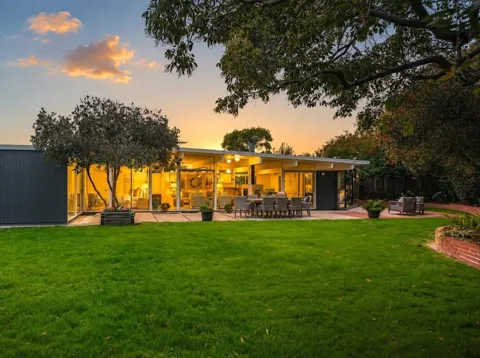
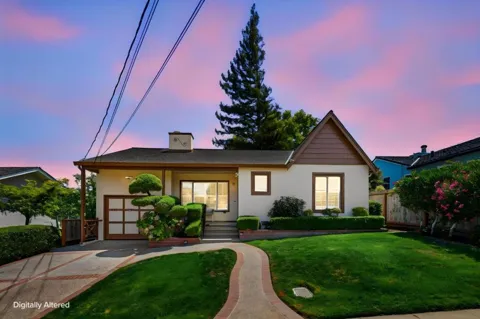
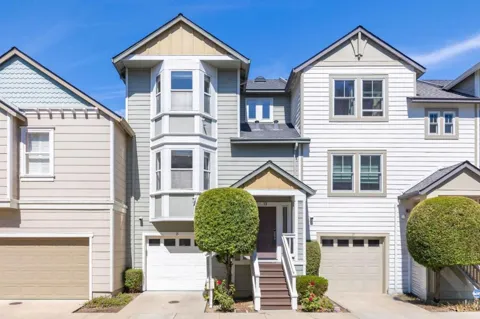
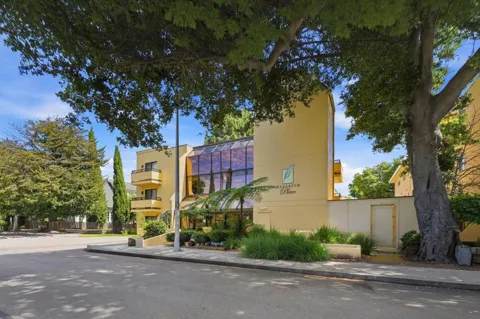
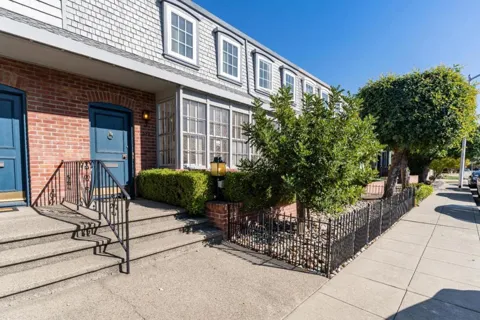
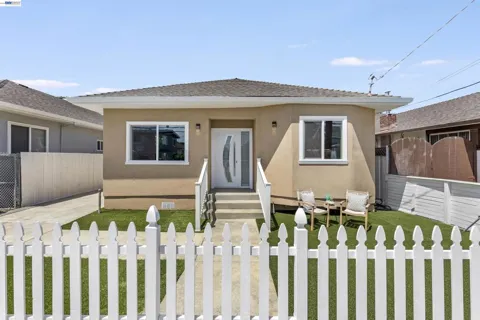
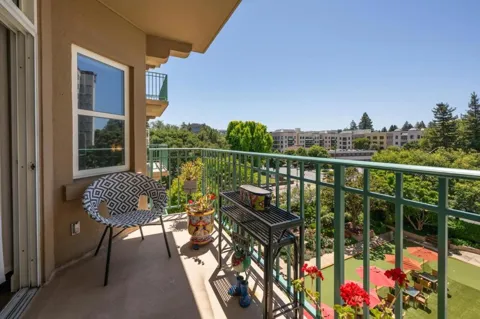
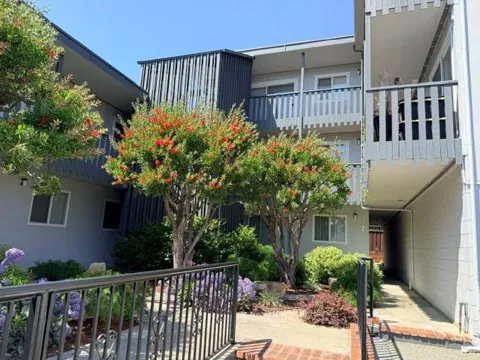
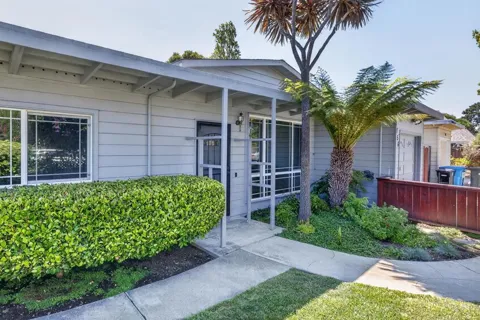
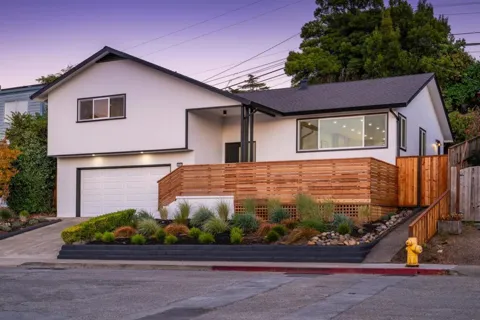
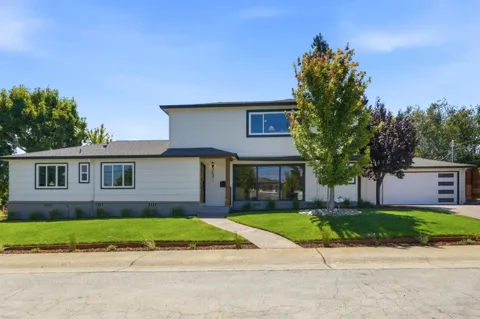
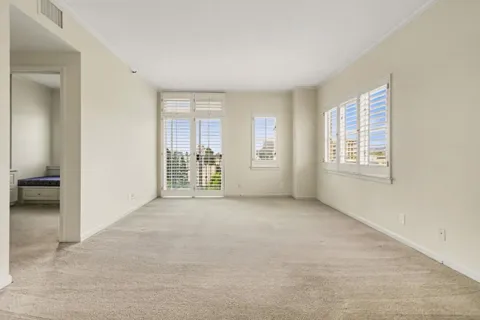
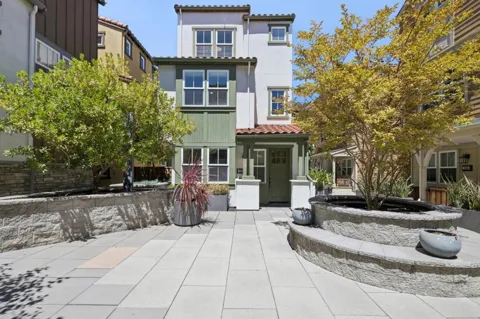
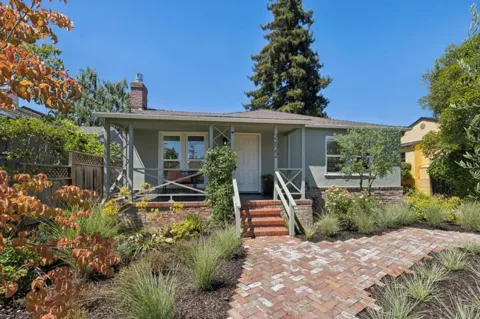
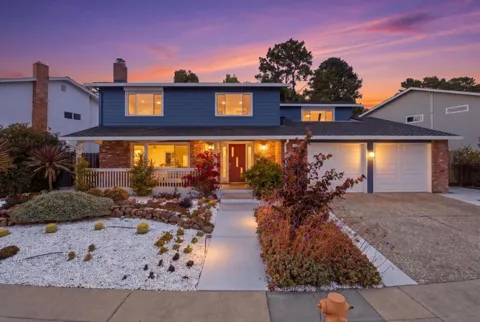
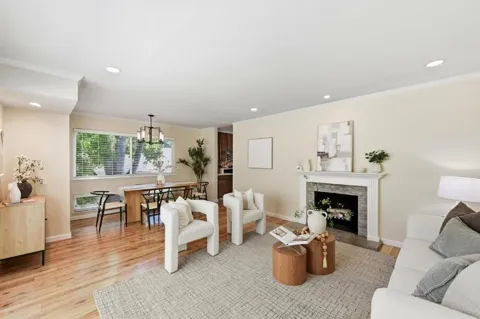
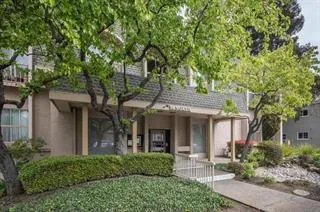
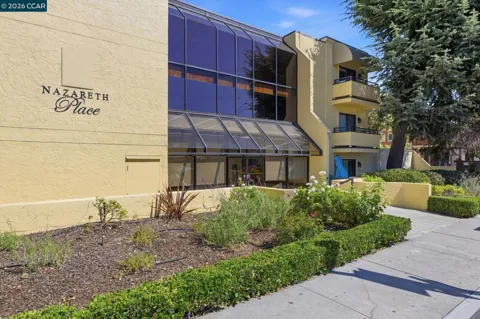
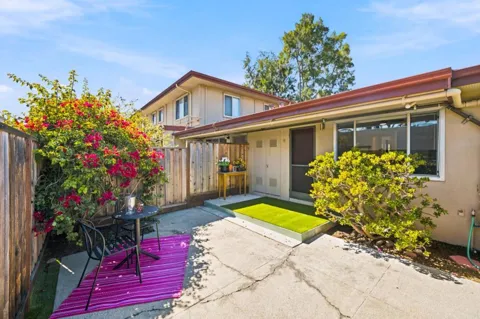
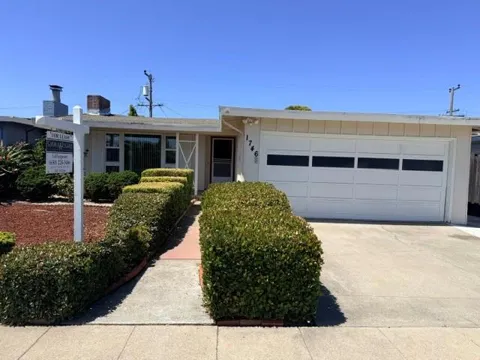
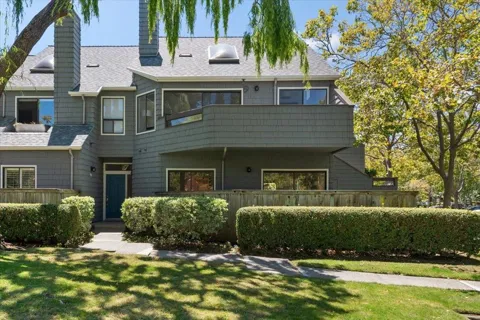
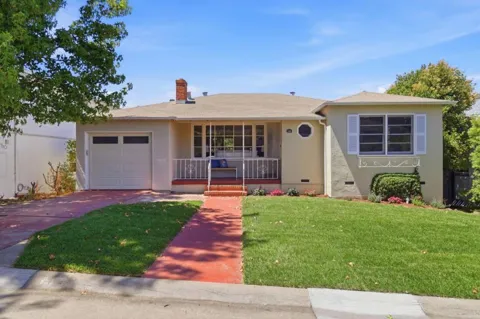
San Mateo's housing market is defined by its historic residential fabric. The city has long carried the nickname "City of Beautiful Homes," earned through early-twentieth-century neighborhoods built on the subdivided estates of the Peninsula's nineteenth-century landowners. Districts such as San Mateo Park, Baywood, and Aragon contain substantial, architecturally detailed homes on tree-lined streets, and they remain among the most sought-after addresses in the city. Alongside these historic areas, San Mateo includes post-war ranch homes, mid-century subdivisions, and a growing number of condominiums and apartments, particularly near downtown and the Caltrain corridor. This mix means buyers can find both character-rich older homes and more contemporary, lower-maintenance housing. The city's mid-Peninsula location, transit access, and strong school districts underpin consistent demand, and neighborhoods near transit and downtown generally command the most competition. Housing types and lot sizes vary widely across the city's roughly 16 square miles.
San Mateo's neighborhoods span more than a century of Peninsula development. San Mateo Park, laid out in 1902 from part of the Howard estate, is an affluent district of grand period homes comparable to neighboring Hillsborough. Nearby Baywood, subdivided in 1927, is a large, partly wooded area of distinguished architecture with notably lower density than the city as a whole, while Aragon is prized for its classic early-twentieth-century streetscapes. Hayward Park, developed around the same time, and the Bowie Estate and Eastern Addition areas add further layers of historic housing stock. Elsewhere, Hillsdale and the Shoreview district reflect the post-war suburban expansion, with ranch homes and mid-century subdivisions, while areas near downtown and the Caltrain stations hold denser, mixed-era housing. The city's west side runs toward the wooded hills and Interstate 280, offering some hillside properties, while the east side approaches the bay and Coyote Point. This variety means neighborhood choice in San Mateo is as much about architectural era and lot character as it is about location and school attendance areas.

San Mateo blends a walkable, amenity-rich downtown with the calm of mature residential neighborhoods. The downtown district is known for its diverse dining scene, with a wide range of restaurants spanning Japanese, Mexican, and other cuisines, along with shops and services along the city's central streets. Central Park, in the heart of downtown, hosts signature community events such as the Central Park Music Series and the Fourth of July celebration, giving the city a strong civic calendar. The climate is the classic mild Peninsula pattern, cooler and occasionally foggy near the bay and warmer toward the hills. Residents enjoy proximity to both San Francisco and Silicon Valley while living in a community with a more suburban, family-oriented feel. The city's diversity is reflected in its restaurants, schools, and neighborhoods, and the overall pace is comfortable and established, appealing to families, professionals, and long-time residents alike.
San Mateo's public schools are organized through two districts. The San Mateo-Foster City School District serves elementary and middle school students, operating roughly twenty schools and enrolling about 12,500 students, making it the largest elementary district in San Mateo County. Students then continue to the San Mateo Union High School District, which operates the area's comprehensive high schools. The city is also home to the College of San Mateo, a community college offering transfer programs and career education. Together, these institutions give San Mateo a complete educational pathway from kindergarten through the first years of college within the city and neighboring Foster City. Because the two public districts have distinct boundaries and programs, families relocating to San Mateo often evaluate both the elementary and high school attendance areas, and the city's strong school reputation is a significant driver of residential demand. Private and parochial options round out the local landscape.
San Mateo is among the best-connected cities on the San Francisco Peninsula. Caltrain commuter rail serves the city at multiple stations, including downtown San Mateo, Hayward Park, and Hillsdale, providing direct service along the corridor toward San Francisco and San Jose. SamTrans buses cover local and regional routes, and BART is accessible at nearby Millbrae, with commute.org shuttles connecting transit stations, workplaces, and schools across the county. For drivers, U.S. Highway 101 and Interstate 280 run north-south through the area, El Camino Real serves as the historic surface route, and State Route 92 provides a direct link across the San Mateo Bridge to the East Bay. San Francisco International Airport lies just north of the city, reachable by car or transit, making San Mateo convenient for frequent travelers. The combination of rail, highway, and airport access is a defining advantage for residents working throughout the Bay Area.
San Mateo's recreational centerpiece is Central Park, a downtown green space with lawns, picnic areas, baseball fields, and a celebrated Japanese Garden. The park anchors the city's civic life, hosting events such as the Central Park Music Series, the Fourth of July in the Park celebration, and seasonal community gatherings, and it houses the Central Recreation Center. Along the bayfront, Coyote Point Recreation Area offers shoreline trails, windsurfing and beach access, picnic grounds, and the CuriOdyssey science and wildlife center, with views across San Francisco Bay. The nearby Crystal Springs Regional Trail and the hills along Interstate 280 provide hiking and cycling in the Peninsula's open space, and the San Mateo County park system adds additional trail and recreation opportunities. The city's location also places ocean beaches at Half Moon Bay and the urban attractions of San Francisco within a short drive.
MARKET SNAPSHOT
How homes have been selling here over the last 90 days.
Market data reflects closed sales over the last 90 days and is provided for informational purposes.
BROWSE BY ZIP
Browse listings by postal code in this area.